
Dual-objective Language Models: Training Efficiency Without Overfitting
arXiv cs.CL / 3/30/2026
💬 OpinionIdeas & Deep AnalysisModels & Research
Key Points
- The paper proposes training language models with a dual objective that combines autoregressive modeling and masked-diffusion objectives without any architectural changes.
- It argues that this approach preserves the training efficiency benefits of autoregressive models while improving overfitting robustness relative to single-objective training.
- Through experiments training and evaluating 50 models across different degrees of data repetition, the authors find that using both objectives is optimal under all tested conditions.
- The study reports that the best weighting/balance between objectives is broadly similar whether the evaluation emphasizes downstream autoregressive or masked-diffusion performance.
Related Articles
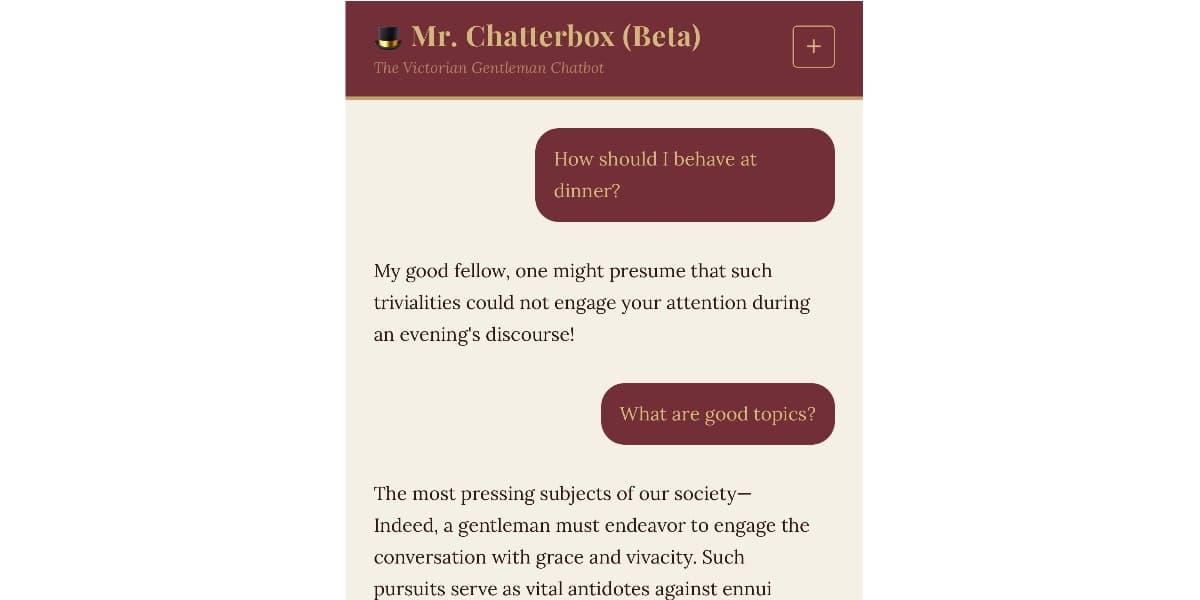
Mr. Chatterbox is a (weak) Victorian-era ethically trained model you can run on your own computer
Simon Willison's Blog
Beyond the Chatbot: Engineering Multi-Agent Ecosystems in 2026
Dev.to

I missed the "fun" part in software development
Dev.to

The Billion Dollar Tax on AI Agents
Dev.to

Hermes Agent: A Self-Improving AI Agent That Runs Anywhere
Dev.to


