
Only Whats Necessary: Pareto Optimal Data Minimization for Privacy Preserving Video Anomaly Detection
arXiv cs.CV / 3/30/2026
💬 OpinionIdeas & Deep AnalysisModels & Research
Key Points
- The paper proposes “Only What’s Necessary,” a privacy-by-design framework for video anomaly detection that enforces GDPR-style data minimization by limiting what visual information is exposed to the detection pipeline.
- It uses both breadth-based and depth-based minimization to suppress PII (e.g., facial cues and sensitive demographic attributes) while retaining anomaly-relevant cues.
- The authors evaluate multiple minimization configurations by testing minimized videos on both a video anomaly detection model and a separate privacy inference model to measure privacy-utility tradeoffs.
- Pareto analysis plus ranking-based methods are used to identify non-dominated “sweet spot” operating points that reduce personal data exposure with limited loss in detection performance.
- Extensive experiments on public datasets show the framework’s effectiveness, demonstrating how to tune minimization settings to balance compliance and detection accuracy.
Related Articles
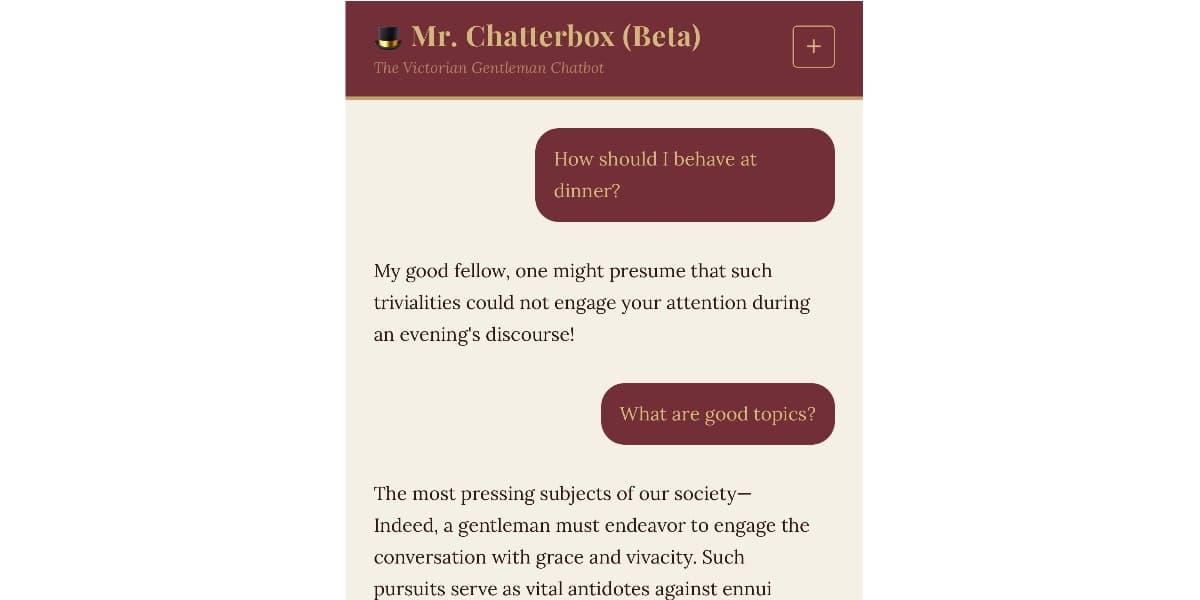
Mr. Chatterbox is a (weak) Victorian-era ethically trained model you can run on your own computer
Simon Willison's Blog
Beyond the Chatbot: Engineering Multi-Agent Ecosystems in 2026
Dev.to

I missed the "fun" part in software development
Dev.to

The Billion Dollar Tax on AI Agents
Dev.to

Hermes Agent: A Self-Improving AI Agent That Runs Anywhere
Dev.to


