
Can Vision Foundation Models Navigate? Zero-Shot Real-World Evaluation and Lessons Learned
arXiv cs.LG / 3/30/2026
💬 OpinionSignals & Early TrendsIdeas & Deep AnalysisModels & Research
Key Points
- The paper presents a real-world, zero-shot evaluation of five state-of-the-art Visual Navigation Models (GNM, ViNT, NoMaD, NaviBridger, and CrossFormer) across two robot platforms and five indoor/outdoor environments rather than relying only on success rate.
- It introduces richer assessment beyond reaching the goal, including path-based metrics, vision-based goal-recognition scores, and robustness tests using controlled image perturbations such as motion blur and sunflare.
- The analysis finds recurring weaknesses: frequent collisions suggesting limited geometric understanding, difficulty distinguishing visually similar locations leading to goal prediction errors, and performance drops under distribution shift.
- The authors plan to publicly release the evaluation codebase and dataset to support reproducible benchmarking of vision navigation models.
Related Articles

Black Hat Asia
AI Business
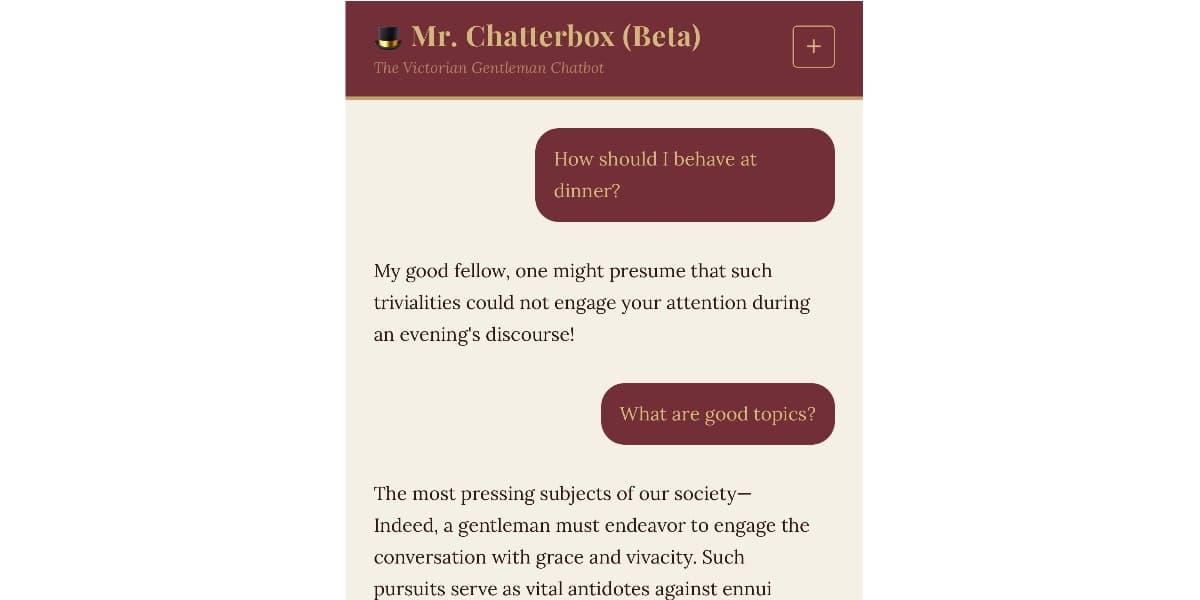
Mr. Chatterbox is a (weak) Victorian-era ethically trained model you can run on your own computer
Simon Willison's Blog
Beyond the Chatbot: Engineering Multi-Agent Ecosystems in 2026
Dev.to

I missed the "fun" part in software development
Dev.to
The Billion Dollar Tax on AI Agents
Dev.to


