
CACTO-SL: Using Sobolev Learning to improve Continuous Actor-Critic with Trajectory Optimization
arXiv cs.RO / 3/30/2026
💬 OpinionSignals & Early TrendsIdeas & Deep AnalysisModels & Research
Key Points
- The paper proposes CACTO-SL, an extension of the CACTO method that combines Trajectory Optimization (TO) with Continuous Actor-Critic reinforcement learning to better handle non-convex optimal control problems.
- CACTO-SL speeds up and improves the critic training by enriching it with the Value-function gradient obtained from a backward pass of a differential dynamic programming procedure.
- The approach uses the actor’s policy to warm-start TO and maintain a closed loop between RL exploration and TO refinement.
- Experiments indicate CACTO-SL is more efficient than original CACTO, cutting the number of TO episodes by roughly 3–10x and reducing overall computation time.
- The method also helps TO converge to better minima and yields more consistent results across runs.
Related Articles

Black Hat Asia
AI Business
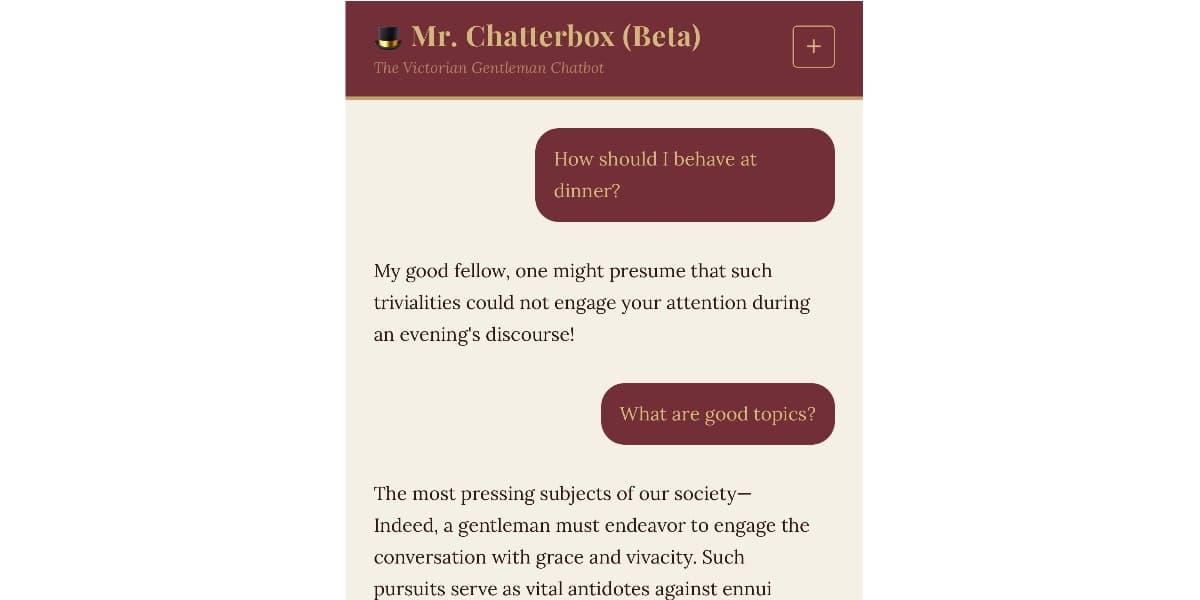
Mr. Chatterbox is a (weak) Victorian-era ethically trained model you can run on your own computer
Simon Willison's Blog
Beyond the Chatbot: Engineering Multi-Agent Ecosystems in 2026
Dev.to

I missed the "fun" part in software development
Dev.to

The Billion Dollar Tax on AI Agents
Dev.to


