
DTP-Attack: A decision-based black-box adversarial attack on trajectory prediction
arXiv cs.RO / 3/30/2026
💬 OpinionIdeas & Deep AnalysisModels & Research
Key Points
- The paper introduces DTP-Attack, a decision-based black-box adversarial attack framework designed to target autonomous driving trajectory prediction systems without requiring model internals or gradient access.
- DTP-Attack relies only on binary decision outputs and uses a boundary-walking algorithm to find adversarial regions while preserving trajectory realism via proximity, avoiding rigid physical constraints.
- The method supports two attack goals: intention misclassification (changing the perceived driving maneuver) and prediction accuracy degradation (increasing forecasting errors).
- Experiments on nuScenes and Apolloscape using multiple state-of-the-art trajectory prediction models show strong effectiveness, including 41–81% success rates for intention misclassification with perturbations under 0.45 m.
- The results suggest fundamental vulnerabilities in current trajectory prediction models and argue for urgent development of robust defenses in safety-critical autonomous driving contexts.
Related Articles
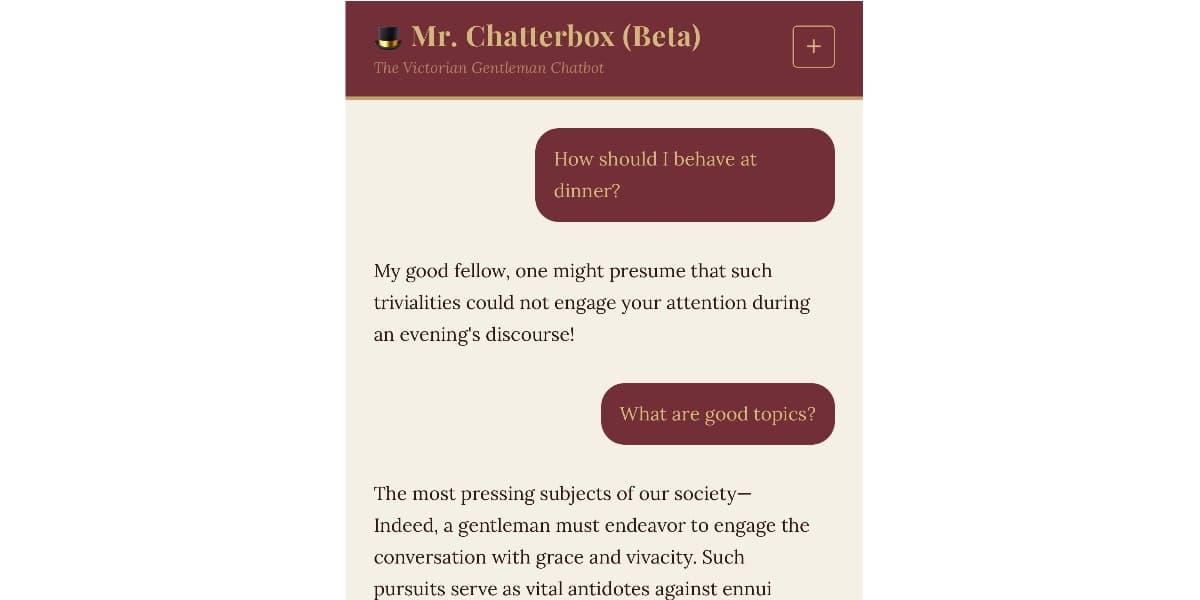
Mr. Chatterbox is a (weak) Victorian-era ethically trained model you can run on your own computer
Simon Willison's Blog
Beyond the Chatbot: Engineering Multi-Agent Ecosystems in 2026
Dev.to

I missed the "fun" part in software development
Dev.to

The Billion Dollar Tax on AI Agents
Dev.to

Hermes Agent: A Self-Improving AI Agent That Runs Anywhere
Dev.to


