
DataFlex: A Unified Framework for Data-Centric Dynamic Training of Large Language Models
arXiv cs.LG / 3/30/2026
💬 OpinionDeveloper Stack & InfrastructureSignals & Early TrendsModels & Research
Key Points
- The paper introduces DataFlex, a unified framework for data-centric dynamic training of large language models that standardizes data selection, mixture adjustment, and sample reweighting within one extensible system.
- DataFlex is designed as a drop-in replacement compatible with the standard LLM training workflow based on LLaMA-Factory, including reusable trainer abstractions and modular components.
- It unifies model-dependent operations such as embedding extraction, inference, and gradient computation, and supports large-scale training setups including DeepSpeed ZeRO-3.
- Experiments show dynamic data selection can outperform static full-data training on MMLU for Mistral-7B and Llama-3.2-3B, while data mixture methods like DoReMi and ODM improve both MMLU and corpus-level perplexity for Qwen2.5-1.5B.
- The authors report DataFlex delivers consistent runtime improvements over original implementations and aims to improve reproducibility and fair comparison across data-centric methods.
💡 Insights using this article
This article is featured in our daily AI news digest — key takeaways and action items at a glance.
Related Articles

Black Hat Asia
AI Business
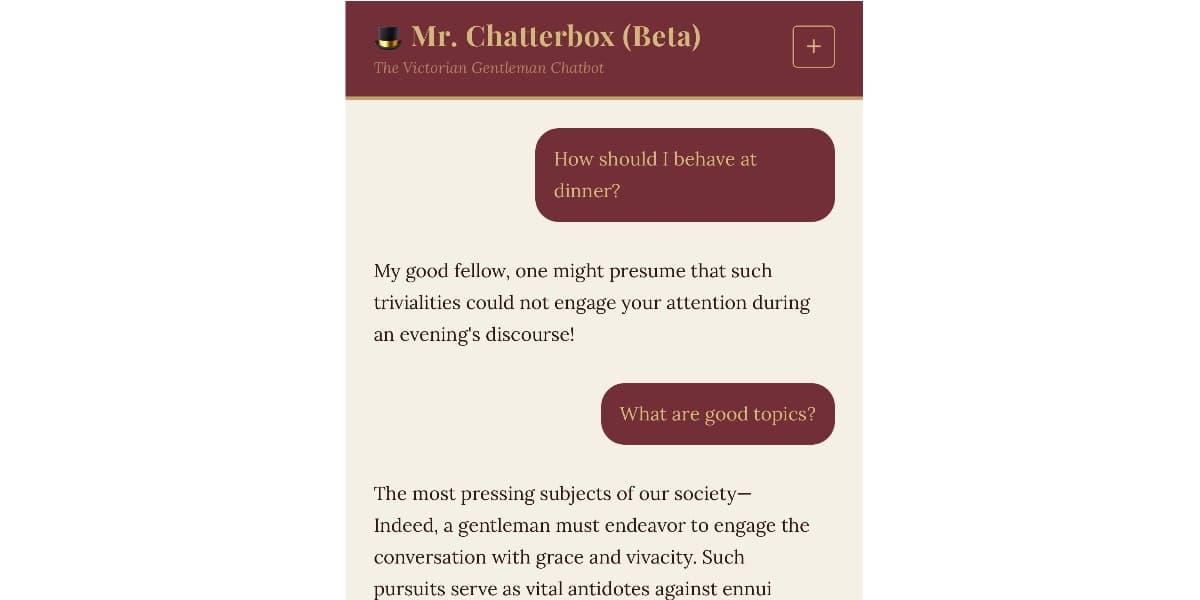
Mr. Chatterbox is a (weak) Victorian-era ethically trained model you can run on your own computer
Simon Willison's Blog
Beyond the Chatbot: Engineering Multi-Agent Ecosystems in 2026
Dev.to

I missed the "fun" part in software development
Dev.to
The Billion Dollar Tax on AI Agents
Dev.to


