
Multimodal Fused Learning for Solving the Generalized Traveling Salesman Problem in Robotic Task Planning
arXiv cs.RO / 3/23/2026
💬 OpinionTools & Practical UsageModels & Research
Key Points
- The MMFL framework blends graph-based and image-based representations to tackle GTSP in robotic task planning.
- It introduces a coordinate-based image builder that converts GTSP instances into spatially informative representations and an adaptive resolution scaling strategy for different problem sizes.
- The architecture includes a multimodal fusion module with dedicated bottlenecks to effectively integrate geometric and spatial features for real-time planning.
- Experimental results show MMFL significantly outperforms state-of-the-art methods on various GTSP instances, with physical robot tests confirming real-world applicability and efficiency.
Related Articles

Interactive Web Visualization of GPT-2
Reddit r/artificial
[R] Causal self-attention as a probabilistic model over embeddings
Reddit r/MachineLearning
The 5 software development trends that actually matter in 2026 (and what they mean for your startup)
Dev.to
InVideo AI Review: Fast Finished
Dev.to
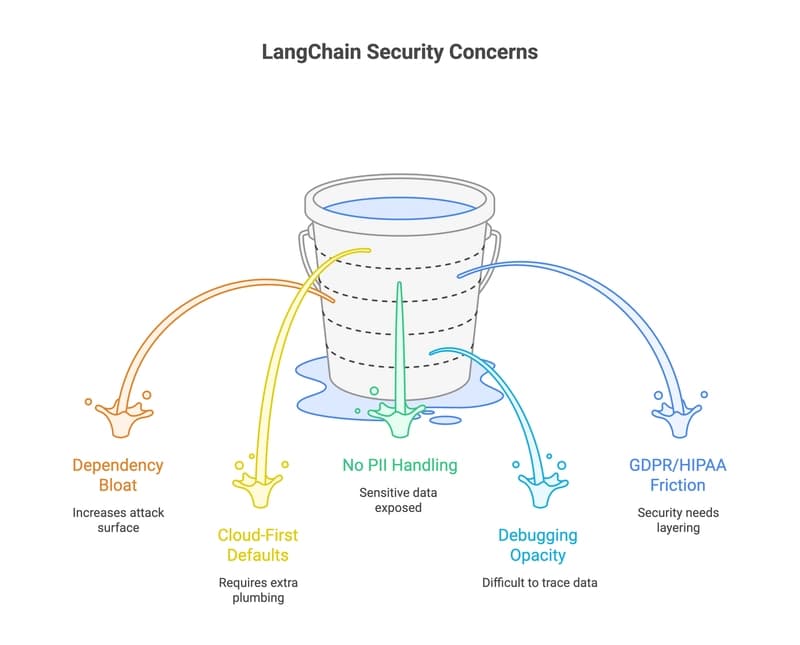
33 LangChain Alternatives That Won't Leak Your Data (2026 Guide)
Dev.to


