
Switch Attention: Towards Dynamic and Fine-grained Hybrid Transformers
arXiv cs.CL / 3/30/2026
💬 OpinionSignals & Early TrendsIdeas & Deep AnalysisModels & Research
Key Points
- The paper introduces Switch Attention (SwiAttn), a hybrid transformer that dynamically routes each token at each layer between full attention (global context) and sliding-window attention (efficient local context) to address long-context bottlenecks.
- Unlike prior hybrid approaches that rely on static, heuristic alternating patterns, SwiAttn uses fine-grained, per-token routing to allocate computation more efficiently across different scenarios.
- An adaptive regularization objective is proposed to encourage the model to favor efficiency, balancing accuracy with reduced compute.
- The authors use continual pretraining to transfer a full-attention architecture into the hybrid form and evaluate on 23 benchmark datasets for both 4K and 32K context lengths, reporting improved effectiveness.
Related Articles

Black Hat Asia
AI Business
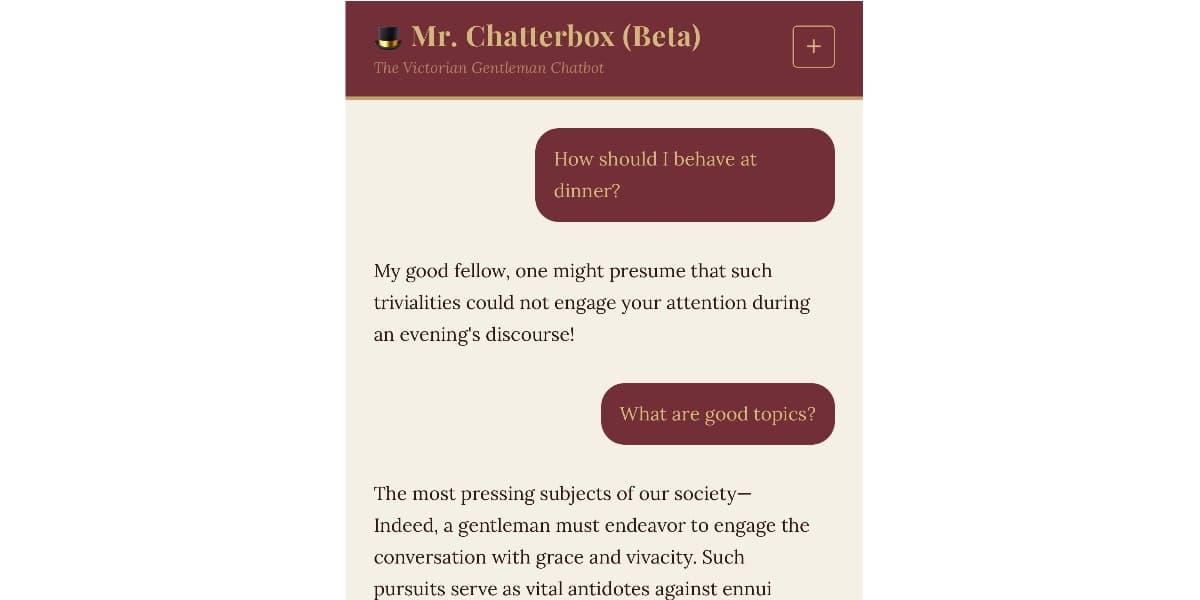
Mr. Chatterbox is a (weak) Victorian-era ethically trained model you can run on your own computer
Simon Willison's Blog
Beyond the Chatbot: Engineering Multi-Agent Ecosystems in 2026
Dev.to

I missed the "fun" part in software development
Dev.to

The Billion Dollar Tax on AI Agents
Dev.to


