
LEMON: a foundation model for nuclear morphology in Computational Pathology
arXiv cs.CV / 3/30/2026
📰 NewsSignals & Early TrendsIdeas & Deep AnalysisModels & Research
Key Points
- LEMON is introduced as a self-supervised foundation model designed to learn scalable, single-cell morphological representations for computational pathology.
- The model is trained on millions of nucleus images spanning diverse tissues and cancer types, aiming to produce robust embeddings for cell-level analysis.
- Researchers evaluate LEMON across five benchmark datasets and multiple prediction tasks, reporting strong performance and suggesting it can support a new paradigm for single-cell computational pathology.
- Model weights are released publicly on Hugging Face, enabling other teams to reuse and build on LEMON for downstream pathology workflows.
Related Articles

Black Hat Asia
AI Business
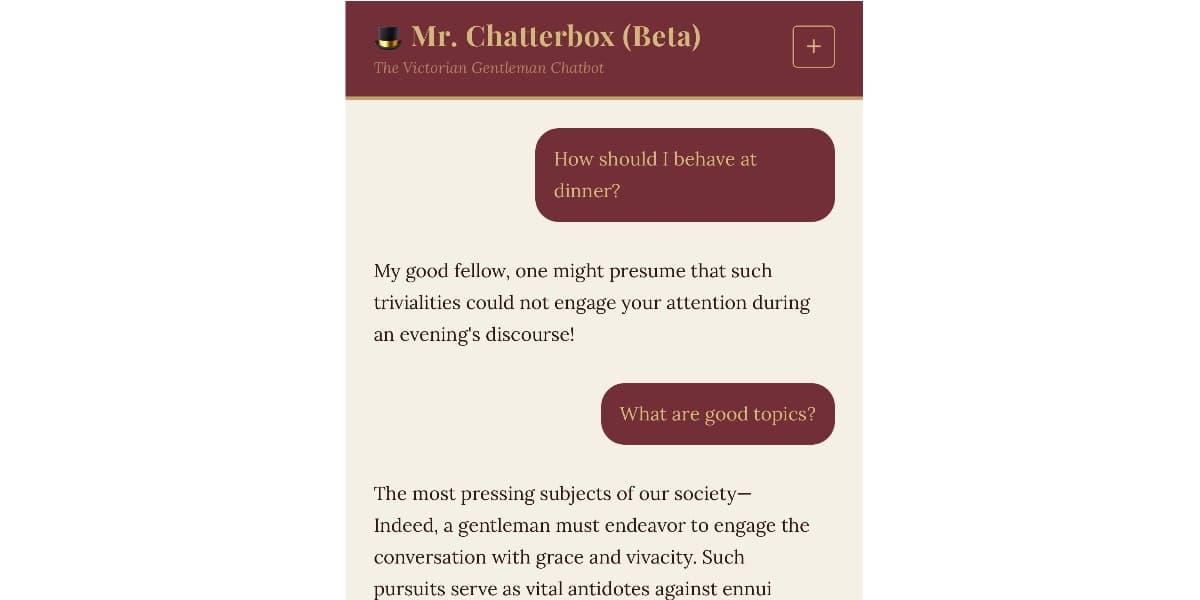
Mr. Chatterbox is a (weak) Victorian-era ethically trained model you can run on your own computer
Simon Willison's Blog
Beyond the Chatbot: Engineering Multi-Agent Ecosystems in 2026
Dev.to

I missed the "fun" part in software development
Dev.to

The Billion Dollar Tax on AI Agents
Dev.to


