
DuSCN-FusionNet: An Interpretable Dual-Channel Structural Covariance Fusion Framework for ADHD Classification Using Structural MRI
arXiv cs.CV / 3/30/2026
💬 OpinionSignals & Early TrendsIdeas & Deep AnalysisModels & Research
Key Points
- The paper introduces DuSCN-FusionNet, an interpretable structural MRI (sMRI) framework for classifying ADHD by modeling inter-regional morphological relationships using dual-channel Structural Covariance Networks (SCNs).
- It builds two SCN channels from ROI-wise mean intensity and intra-regional variability/heterogeneity descriptors, then encodes them with an SCN-CNN and improves predictions via late-stage fusion with auxiliary variability and global statistical features.
- On the ADHD-200 dataset (Peking University site), the method reports a mean balanced accuracy of 80.59% and AUC of 0.778 using stratified 10-fold cross-validation and a 5-seed ensemble.
- The authors adapt Grad-CAM to the SCN domain to generate ROI-level importance scores, aiming to support clinical trust by highlighting structurally relevant brain regions as candidate biomarkers.
Related Articles

Black Hat Asia
AI Business
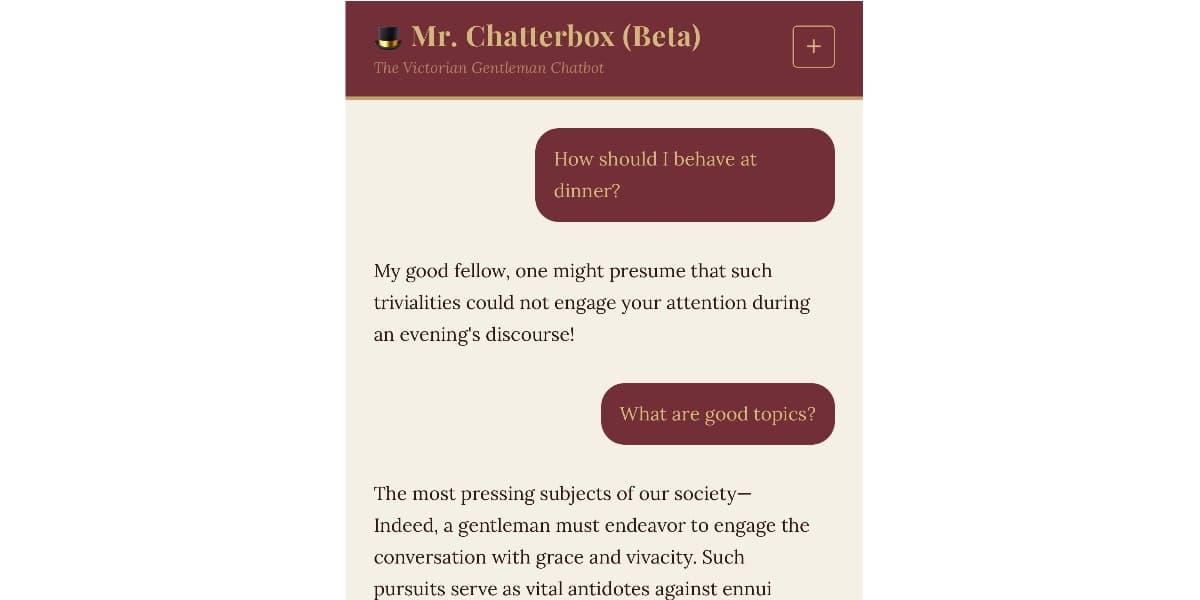
Mr. Chatterbox is a (weak) Victorian-era ethically trained model you can run on your own computer
Simon Willison's Blog
Beyond the Chatbot: Engineering Multi-Agent Ecosystems in 2026
Dev.to

I missed the "fun" part in software development
Dev.to

The Billion Dollar Tax on AI Agents
Dev.to


