
MUST: Modality-Specific Representation-Aware Transformer for Diffusion-Enhanced Survival Prediction with Missing Modality
arXiv cs.LG / 3/30/2026
💬 OpinionIdeas & Deep AnalysisModels & Research
Key Points
- MUST(Modality-Specific representation-aware Transformer)は、多モダリティ医療データにおける「欠損モダリティ」を、各モダリティの固有情報と他モダリティから推定可能な文脈情報に分解して明示的に扱う枠組みを提案しています。
- 学習した低ランクの共有サブスペース上での代数的制約により、モダリティ欠損時に失われる情報の特定(何が再現できないかの識別)を可能にします。
- 欠損時に推定不能な“真のモダリティ固有情報”には、回復した共有情報に条件付けた潜在拡散モデルで表現を生成し、構造的な事前知識を反映させます。
- TCGAの5がんデータセットで、完全データ時にSOTA級のサバイバル予測性能を達成しつつ、病理欠損/ゲノム欠損の条件でも堅牢な予測を示し、臨床的に許容できる推論遅延も報告されています。
💡 Insights using this article
This article is featured in our daily AI news digest — key takeaways and action items at a glance.
Related Articles
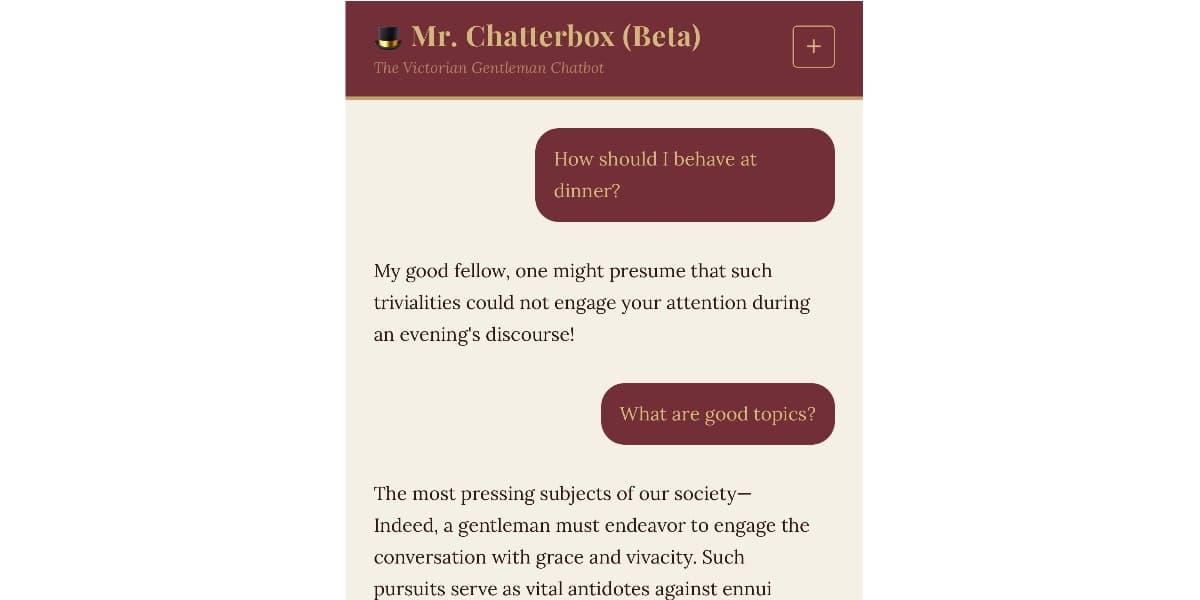
Mr. Chatterbox is a (weak) Victorian-era ethically trained model you can run on your own computer
Simon Willison's Blog
Beyond the Chatbot: Engineering Multi-Agent Ecosystems in 2026
Dev.to

I missed the "fun" part in software development
Dev.to
The Billion Dollar Tax on AI Agents
Dev.to

Hermes Agent: A Self-Improving AI Agent That Runs Anywhere
Dev.to


