
D-GATNet: Interpretable Temporal Graph Attention Learning for ADHD Identification Using Dynamic Functional Connectivity
arXiv cs.LG / 3/30/2026
💬 OpinionSignals & Early TrendsIdeas & Deep AnalysisModels & Research
Key Points
- The paper introduces D-GATNet, an interpretable deep learning framework for automated ADHD classification using dynamic functional connectivity from fMRI time series.
- It builds temporal graph sequences via sliding-window Pearson correlation, then learns spatial relationships with a multi-layer Graph Attention Network and temporal dynamics using 1D convolutions plus temporal attention.
- The model’s interpretability comes from graph attention weights (dominant ROI interactions), ROI importance scores (influential brain regions), and temporal attention (most informative connectivity segments).
- On the ADHD-200 dataset (Peking University site) using stratified 10-fold cross-validation with a 5-seed ensemble, D-GATNet reports 85.18% ± 5.64 balanced accuracy and 0.881 AUC, outperforming prior state-of-the-art approaches.
- Attention-based analysis highlights cerebellar and default mode network disruptions, suggesting candidate neuroimaging biomarkers for ADHD.
Related Articles

Black Hat Asia
AI Business
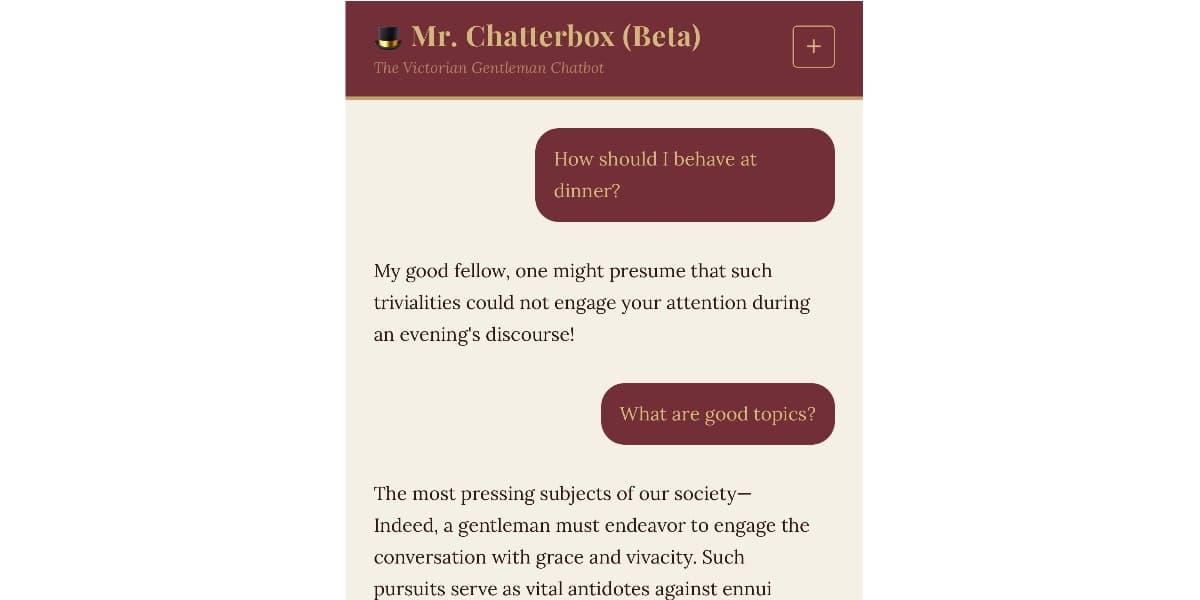
Mr. Chatterbox is a (weak) Victorian-era ethically trained model you can run on your own computer
Simon Willison's Blog
Beyond the Chatbot: Engineering Multi-Agent Ecosystems in 2026
Dev.to

I missed the "fun" part in software development
Dev.to

The Billion Dollar Tax on AI Agents
Dev.to


