
Verify Claimed Text-to-Image Models via Boundary-Aware Prompt Optimization
arXiv cs.CV / 3/30/2026
💬 OpinionIdeas & Deep AnalysisModels & Research
Key Points
- The paper proposes Boundary-aware Prompt Optimization (BPO), a reference-free method to verify whether a claimed text-to-image model matches the actual model behind an API.
- BPO leverages the idea that while models may behave similarly on ordinary prompts, their “semantic boundary” regions in embedding space differ, causing unstable outputs for boundary-adjacent prompts on the target model.
- By identifying prompts that trigger these boundary-specific instabilities, BPO generates reliable verification cues without relying on multiple optimization reference models, reducing computational cost and sensitivity to model choice.
- Experiments across five text-to-image models and several baselines show BPO achieves improved verification accuracy, demonstrating effectiveness for third-party API model claim auditing.
- The work addresses reputational and user-misleading risks caused by false claims of using official T2I models on integrated platforms and motivates more robust verification mechanisms.
Related Articles
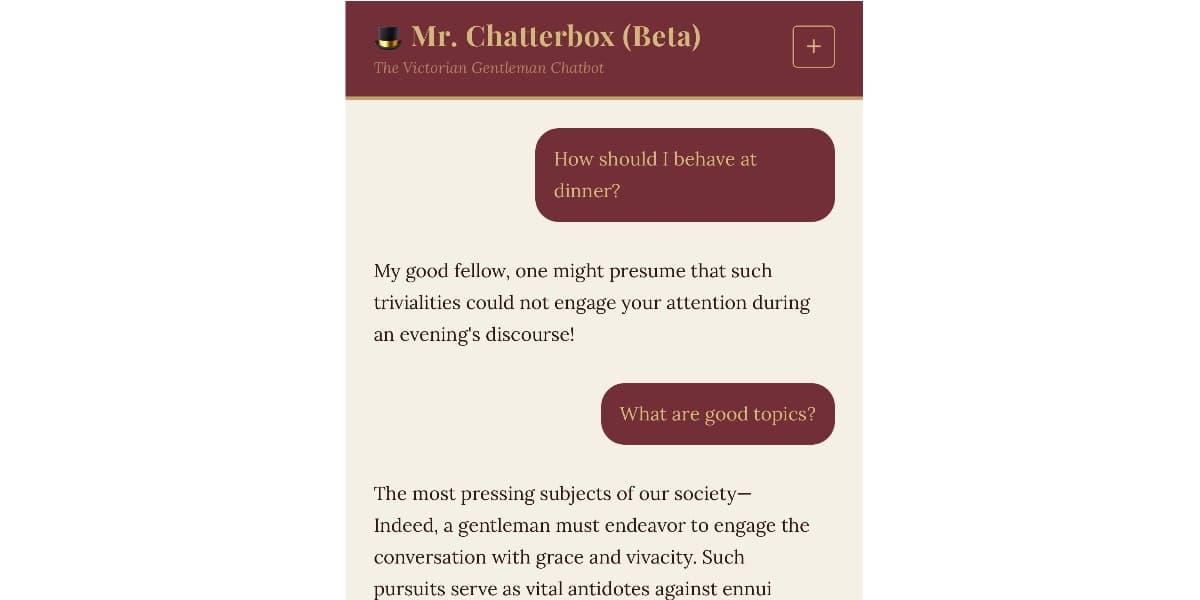
Mr. Chatterbox is a (weak) Victorian-era ethically trained model you can run on your own computer
Simon Willison's Blog
Beyond the Chatbot: Engineering Multi-Agent Ecosystems in 2026
Dev.to

I missed the "fun" part in software development
Dev.to
The Billion Dollar Tax on AI Agents
Dev.to

Hermes Agent: A Self-Improving AI Agent That Runs Anywhere
Dev.to


