
Generalizable task-oriented object grasping through LLM-guided ontology and similarity-based planning
arXiv cs.RO / 3/30/2026
💬 OpinionSignals & Early TrendsIdeas & Deep AnalysisModels & Research
Key Points
- The paper tackles task-oriented object grasping (TOG) by improving generalization across diverse objects and tasks, which existing vision-language model methods struggle with due to instability in part recognition and grasp inference.
- It proposes an LLM-constructed object-part-task ontology that maps intuitive human commands to functional object-part selection without relying on semantic cues from visual recognition.
- For part identification, it uses sampling-based geometric analysis over observed point clouds with multiple point-distribution and distance metrics to reduce viewpoint sensitivity.
- For unknown targets, it applies similarity-based matching to imitate grasps from pre-segmented and pre-known reference objects, enabling planning guidance without explicit prior knowledge of the new object.
- Real-world experiments confirm accuracy in part selection, identification, and grasp generation, and the method demonstrates generalization to novel-category objects by extending the existing ontological knowledge.
💡 Insights using this article
This article is featured in our daily AI news digest — key takeaways and action items at a glance.
Related Articles

Black Hat Asia
AI Business
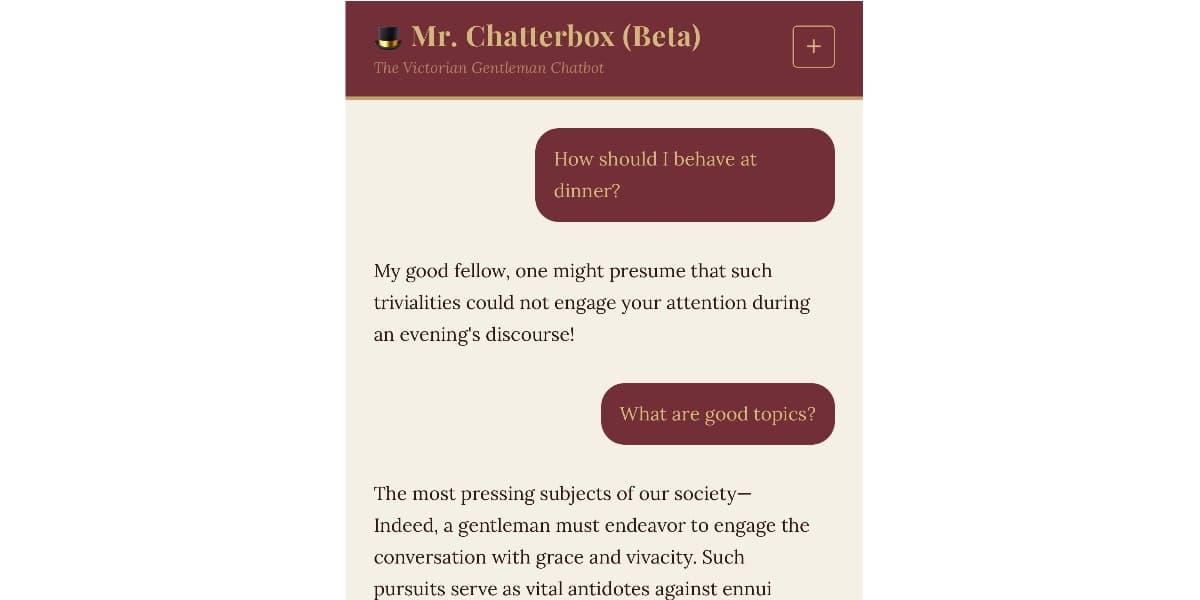
Mr. Chatterbox is a (weak) Victorian-era ethically trained model you can run on your own computer
Simon Willison's Blog
Beyond the Chatbot: Engineering Multi-Agent Ecosystems in 2026
Dev.to

I missed the "fun" part in software development
Dev.to

The Billion Dollar Tax on AI Agents
Dev.to


