
Human-in-the-Loop Control of Objective Drift in LLM-Assisted Computer Science Education
arXiv cs.AI / 4/2/2026
💬 OpinionSignals & Early TrendsIdeas & Deep AnalysisModels & Research
Key Points
- The paper argues that LLM-assisted programming in computer science education can suffer from “objective drift,” where outputs remain plausible but no longer match task specifications.
- It reframes human-in-the-loop (HITL) as a durable, teachable control problem (using systems engineering and control-theoretic ideas) rather than a temporary step toward full AI autonomy.
- The proposed undergraduate CS lab curriculum explicitly separates planning from execution and trains students to set acceptance criteria and architectural constraints before code generation.
- It also introduces deliberate, concept-aligned drift in some labs to help students diagnose and recover from specification violations.
- A three-arm pilot study (unstructured AI use vs. structured planning vs. structured planning with injected drift) includes a sensitivity power analysis to estimate detectable effect sizes under realistic class constraints.
Related Articles

Black Hat Asia
AI Business
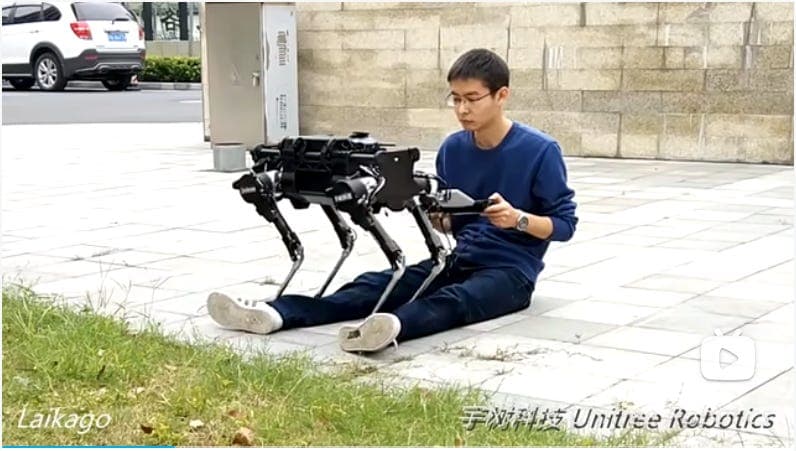
Unitree's IPO
ChinaTalk
Did you know your GIGABYTE laptop has a built-in AI coding assistant? Meet GiMATE Coder 🤖
Dev.to
Benchmarking Batch Deep Reinforcement Learning Algorithms
Dev.to
A bug in Bun may have been the root cause of the Claude Code source code leak.
Reddit r/LocalLLaMA


