
Rethinking Token Pruning for Historical Screenshots in GUI Visual Agents: Semantic, Spatial, and Temporal Perspectives
arXiv cs.CV / 3/30/2026
💬 OpinionSignals & Early TrendsIdeas & Deep AnalysisModels & Research
Key Points
- The paper empirically studies how to prune visual tokens from historical, high-resolution GUI screenshots used by multimodal LLM-based visual agents to reduce computation without losing reasoning quality.
- It finds that GUI screenshots have a semantic foreground-background structure where background regions can carry important cues for interface-state transitions, so pruning should not assume background is always low-value.
- It reports that random pruning can outperform more carefully designed strategies for maintaining spatial structure under the same token budget.
- It observes a “recency effect” in GUI agents, showing that allocating more tokens to recent screenshots and heavily compressing older ones can cut compute costs while preserving nearly the same performance.
Related Articles

Black Hat Asia
AI Business
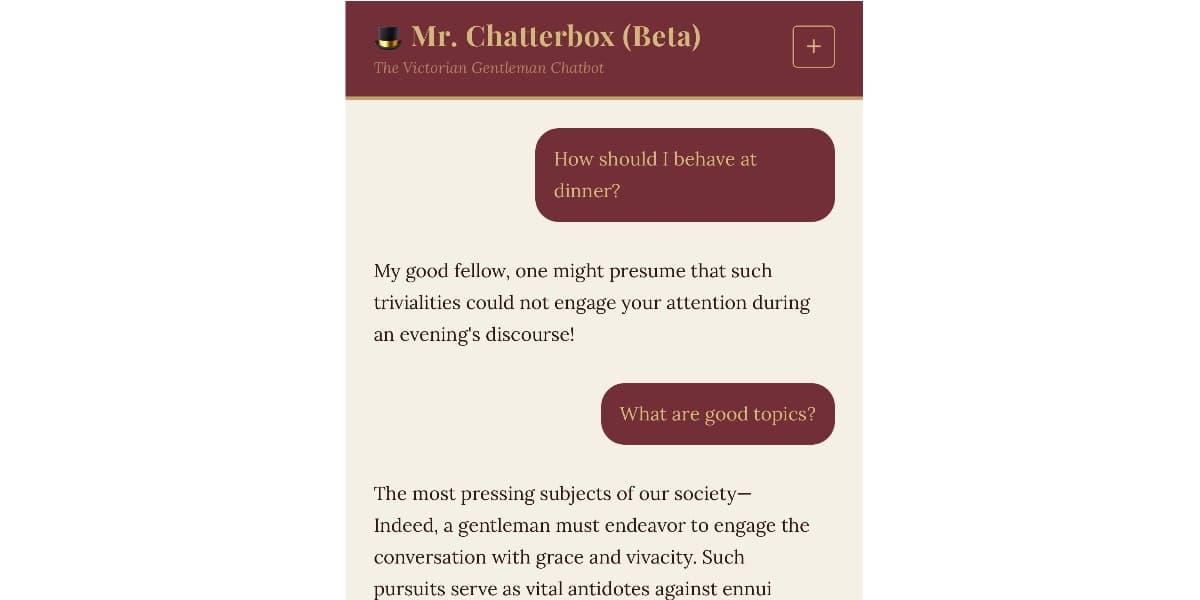
Mr. Chatterbox is a (weak) Victorian-era ethically trained model you can run on your own computer
Simon Willison's Blog
Beyond the Chatbot: Engineering Multi-Agent Ecosystems in 2026
Dev.to

I missed the "fun" part in software development
Dev.to

The Billion Dollar Tax on AI Agents
Dev.to


