
Semi-Automated Knowledge Engineering and Process Mapping for Total Airport Management
arXiv cs.AI / 3/30/2026
💬 OpinionIdeas & Deep AnalysisModels & Research
Key Points
- The paper proposes a semi-automated knowledge engineering framework to build a domain-grounded, machine-readable Knowledge Graph for Total Airport Management by integrating symbolic knowledge engineering with generative LLMs.
- It uses a scaffolded fusion approach where expert-curated structures guide LLM prompts to extract semantically aligned knowledge triples, addressing issues of terminology complexity and fragmented, siloed documentation.
- The authors evaluate the method using the Google LangExtract library and show that document-level (longer context) processing can improve recovery of non-linear procedural dependencies versus localized segment-based inference.
- To meet airport operations’ strict traceability and provenance needs, the framework combines probabilistic discovery with deterministic anchoring so every extraction remains verifiably linked to its source text.
- An additional automated operationalization layer is introduced to turn unstructured textual corpora into complex operational workflow representations suitable for downstream tooling.
Related Articles
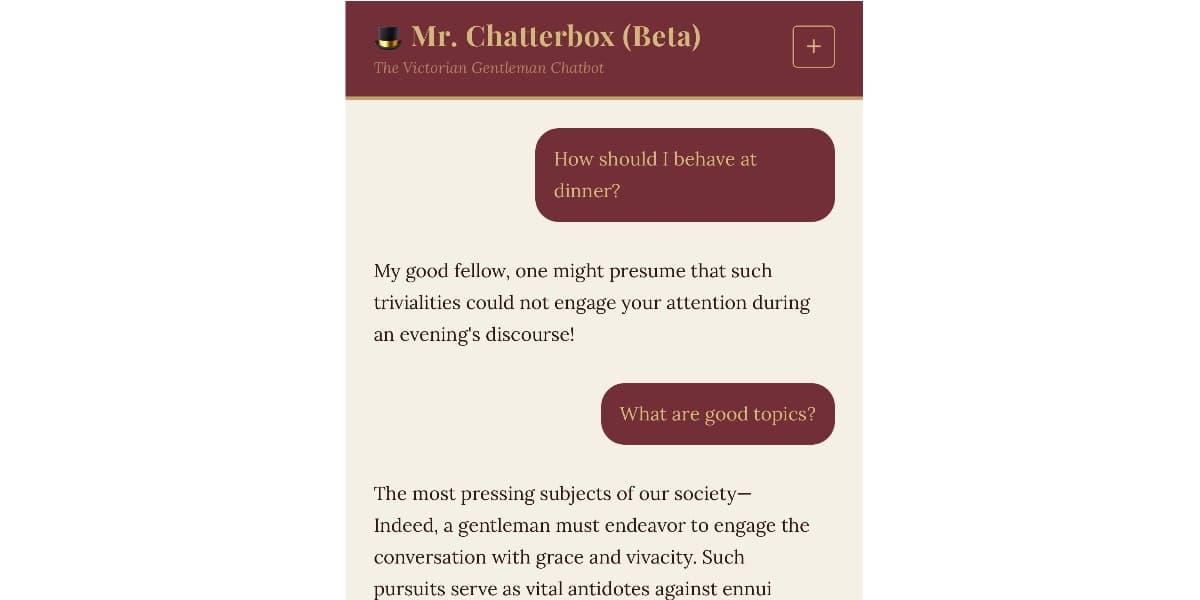
Mr. Chatterbox is a (weak) Victorian-era ethically trained model you can run on your own computer
Simon Willison's Blog
Beyond the Chatbot: Engineering Multi-Agent Ecosystems in 2026
Dev.to

I missed the "fun" part in software development
Dev.to

The Billion Dollar Tax on AI Agents
Dev.to

Hermes Agent: A Self-Improving AI Agent That Runs Anywhere
Dev.to


