
MRG-R1: Reinforcement Learning for Clinically Aligned Medical Report Generation
arXiv cs.CL / 3/30/2026
💬 OpinionSignals & Early TrendsIdeas & Deep AnalysisModels & Research
Key Points
- 医用画像から放射線科レポートを生成するタスクで、従来のトークン単位の尤度学習は表面的な文字列一致を優先し、医学的正しさが目的関数に十分に反映されないという課題を指摘しています。
- このギャップを埋めるため、MRG-R1はレポート全体の臨床的正確性を直接最適化する意味駆動型の強化学習(SRL)フレームワークを提案しています。
- 中核となるのは臨床に根差したレポートレベル報酬関数で、生成文と参照文の「臨床的に重要な所見」に関する意味的な一致を強化し、表層の言語整合以上の学習制約を与えます。
- 評価では、臨床的に関連する所見の精度とカバレッジが改善され、IU X-RayおよびMIMIC-CXRのベンチマークで最先端(SOTA)の臨床的有効性を達成したと報告されています。
💡 Insights using this article
This article is featured in our daily AI news digest — key takeaways and action items at a glance.
Related Articles

Black Hat Asia
AI Business
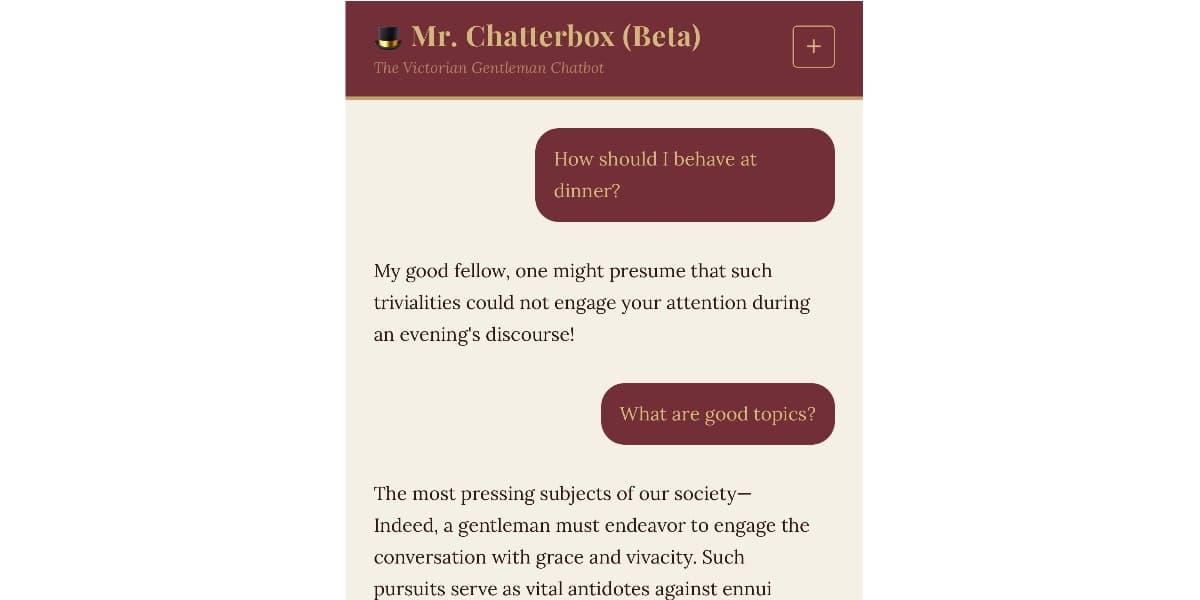
Mr. Chatterbox is a (weak) Victorian-era ethically trained model you can run on your own computer
Simon Willison's Blog
Beyond the Chatbot: Engineering Multi-Agent Ecosystems in 2026
Dev.to

I missed the "fun" part in software development
Dev.to
The Billion Dollar Tax on AI Agents
Dev.to


