
Efficient Few-Shot Learning for Edge AI via Knowledge Distillation on MobileViT
arXiv cs.CV / 3/30/2026
💬 OpinionSignals & Early TrendsModels & Research
Key Points
- The paper proposes a knowledge-distillation-based pre-training method for the MobileViT backbone aimed at efficient few-shot learning on edge AI devices.
- Experiments on MiniImageNet show accuracy gains of 14% (one-shot) and 6.7% (five-shot) over the ResNet12 baseline.
- The approach substantially reduces model size and compute, cutting parameters by 69% and FLOPs computational complexity by 88% versus the ResNet12 baseline.
- A deployment on the Jetson Orin Nano demonstrates real power/latency benefits, reporting a 37% reduction in dynamic energy consumption with 2.6 ms latency.
- Overall, the authors argue the method enables practical, low-latency, energy-aware few-shot learning suitable for constrained edge scenarios.
Related Articles

Black Hat Asia
AI Business
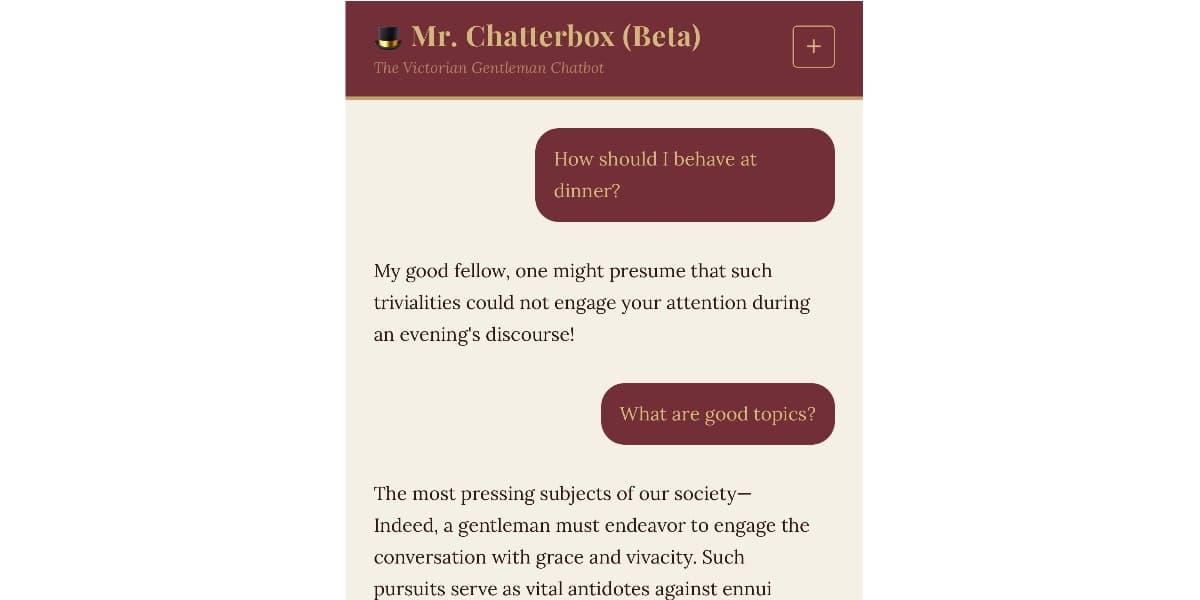
Mr. Chatterbox is a (weak) Victorian-era ethically trained model you can run on your own computer
Simon Willison's Blog
Beyond the Chatbot: Engineering Multi-Agent Ecosystems in 2026
Dev.to

I missed the "fun" part in software development
Dev.to

Hermes Agent: A Self-Improving AI Agent That Runs Anywhere
Dev.to


