
SHANDS: A Multi-View Dataset and Benchmark for Surgical Hand-Gesture and Error Recognition Toward Medical Training
arXiv cs.CV / 3/30/2026
📰 NewsSignals & Early TrendsModels & Research
Key Points
- The paper introduces Surgical-Hands (SHands), a large-scale multi-view surgical video dataset designed to support AI-driven assessment of hand gestures and trainee errors in medical training.
- SHands is captured with five synchronized RGB cameras from complementary viewpoints, includes 52 participants (experts and trainees), and provides frame-level annotations for 15 gesture primitives.
- The dataset incorporates an expert-validated taxonomy of 8 trainee error types, enabling both gesture recognition and automated error detection rather than evaluation based only on correct performance.
- It defines standardized evaluation protocols for single-view, multi-view, and cross-view generalization, and benchmarks multiple deep learning approaches to establish baselines.
- The dataset is publicly released to accelerate development of robust and scalable computer-vision systems for surgical education grounded in clinically curated knowledge.
Related Articles

Black Hat Asia
AI Business
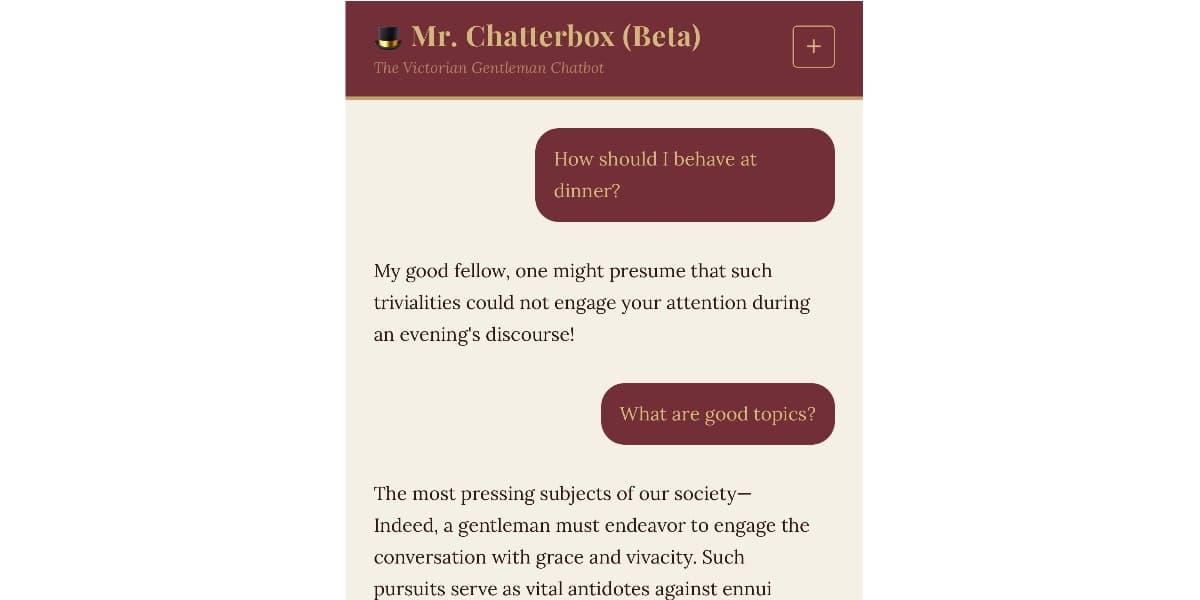
Mr. Chatterbox is a (weak) Victorian-era ethically trained model you can run on your own computer
Simon Willison's Blog
Beyond the Chatbot: Engineering Multi-Agent Ecosystems in 2026
Dev.to

I missed the "fun" part in software development
Dev.to

Hermes Agent: A Self-Improving AI Agent That Runs Anywhere
Dev.to


