
World Reasoning Arena
arXiv cs.CV / 3/30/2026
📰 NewsSignals & Early TrendsIdeas & Deep AnalysisModels & Research
Key Points
- The paper introduces WR-Arena, a new benchmark designed to evaluate world models on next world simulation beyond conventional next-state prediction and visual fidelity.
- WR-Arena assesses three capabilities: action simulation fidelity for multi-step instruction following and counterfactual rollouts, long-horizon forecasting for extended physically plausible simulation, and simulative reasoning/planning for goal-directed comparison of alternative futures.
- It provides a task taxonomy and curated datasets that move evaluation beyond single-turn and purely perceptual tests toward more interactive, open-ended scenarios.
- Experiments with state-of-the-art world models reveal a substantial performance gap relative to human-level hypothetical reasoning, positioning WR-Arena as both a diagnostic and development guideline.
- The project releases code publicly via GitHub to support reproducible evaluation and future research progress.
💡 Insights using this article
This article is featured in our daily AI news digest — key takeaways and action items at a glance.
Related Articles

Black Hat Asia
AI Business
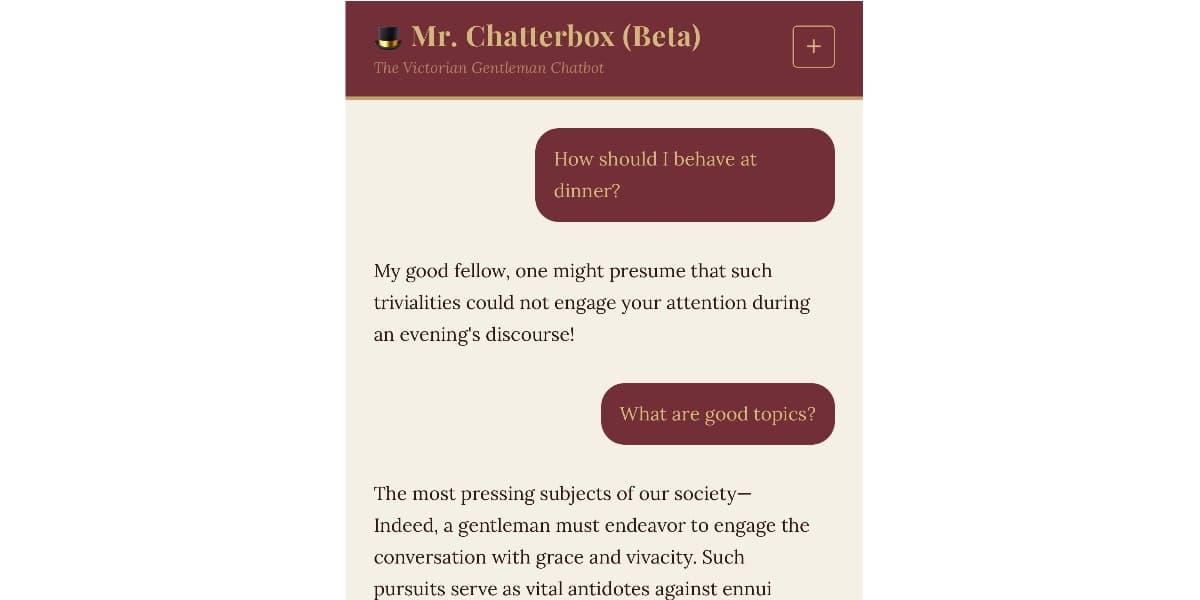
Mr. Chatterbox is a (weak) Victorian-era ethically trained model you can run on your own computer
Simon Willison's Blog
Beyond the Chatbot: Engineering Multi-Agent Ecosystems in 2026
Dev.to

I missed the "fun" part in software development
Dev.to
The Billion Dollar Tax on AI Agents
Dev.to


