
Beyond Where to Look: Trajectory-Guided Reinforcement Learning for Multimodal RLVR
arXiv cs.CV / 3/30/2026
💬 OpinionSignals & Early TrendsIdeas & Deep AnalysisModels & Research
Key Points
- The paper identifies a key RLVR limitation in multimodal LLMs: models may attend to relevant visual regions but often do not properly use visual evidence during the reasoning process.
- It proposes Trajectory-Guided Reinforcement Learning (TGRL), which uses expert reasoning trajectories from stronger models to steer the policy toward fine-grained, visually grounded reasoning.
- The method includes token-level reweighting and trajectory filtering to stabilize and improve reinforcement learning optimization.
- Experiments across multiple multimodal reasoning benchmarks show TGRL consistently improves reasoning performance and reduces the disconnect between visual perception and logical reasoning.
Related Articles

Black Hat Asia
AI Business
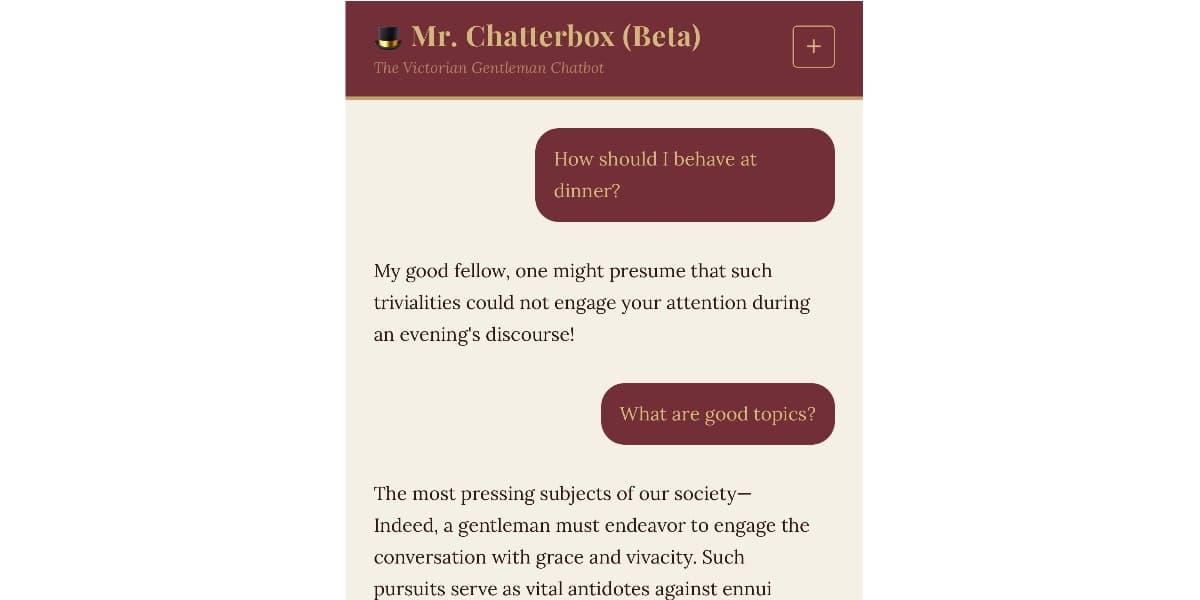
Mr. Chatterbox is a (weak) Victorian-era ethically trained model you can run on your own computer
Simon Willison's Blog
Beyond the Chatbot: Engineering Multi-Agent Ecosystems in 2026
Dev.to

I missed the "fun" part in software development
Dev.to
The Billion Dollar Tax on AI Agents
Dev.to


