
A Judge Agent Closes the Reliability Gap in AI-Generated Scientific Simulation
arXiv cs.LG / 3/30/2026
📰 NewsSignals & Early TrendsIdeas & Deep AnalysisModels & Research
Key Points
- The study addresses the high silent-failure rate of LLM-generated scientific simulation code by introducing a “Judge Agent” that automates classical validation via well-posedness, convergence, and error certification.
- Across 134 test cases in 12 scientific domains, the silent-failure rate drops from 42% to 1.5%, with residual errors concentrated around bifurcation points where certifiability is harder.
- A prospective benchmark using 72 blinded tasks submitted by 12 independent scientists reports an 89% success rate (95% CI: [80%, 95%]) with automated error bounds, compared with 53% without the Judge.
- On a clinical CT experiment (the only powered study, n=200), the pipeline reaches 99% of expert-quality performance, suggesting strong reliability for real-world simulation workloads.
- The authors formalize certifiability limits through a “simulability class S” framework and propose spec.md, a structured, machine-readable specification format, while publicly archiving code, data, and the full benchmark suite.
💡 Insights using this article
This article is featured in our daily AI news digest — key takeaways and action items at a glance.
Related Articles

Black Hat Asia
AI Business
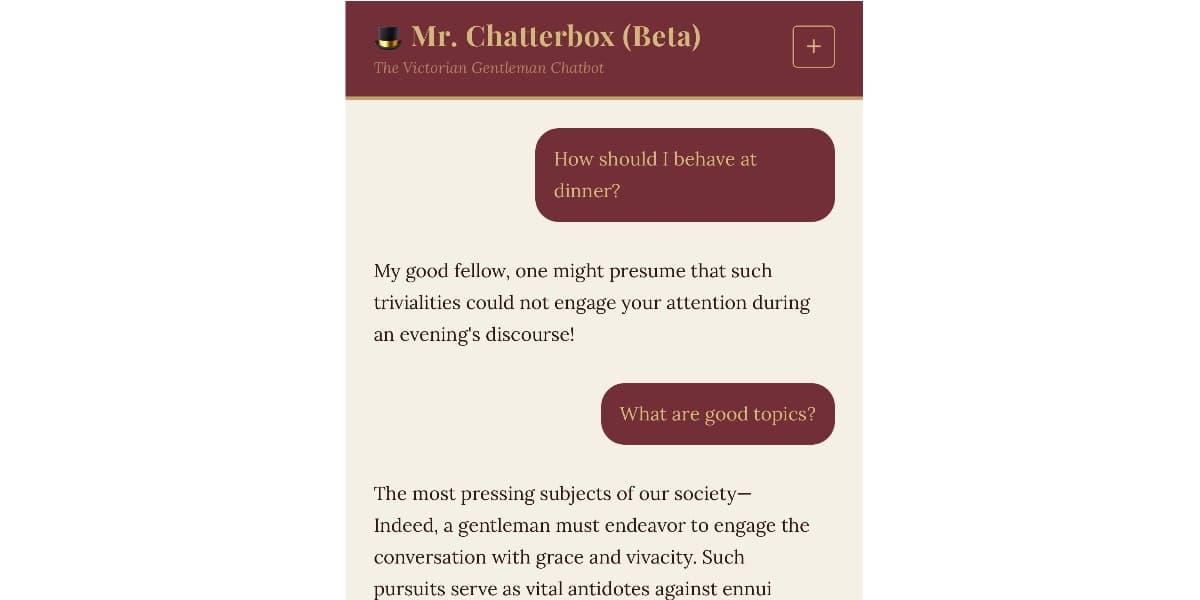
Mr. Chatterbox is a (weak) Victorian-era ethically trained model you can run on your own computer
Simon Willison's Blog
Beyond the Chatbot: Engineering Multi-Agent Ecosystems in 2026
Dev.to

I missed the "fun" part in software development
Dev.to
The Billion Dollar Tax on AI Agents
Dev.to


