
AI and My Values: User Perceptions of LLMs' Ability to Extract, Embody, and Explain Human Values from Casual Conversations
arXiv cs.CL / 3/30/2026
💬 OpinionSignals & Early TrendsIdeas & Deep AnalysisModels & Research
Key Points
- The paper introduces VAPT (Value-Alignment Perception Toolkit) to pragmatically study whether LLMs can extract, embody, and explain users’ human values based on casual conversations.
- In a month-long user texting study with 20 participants, the toolkit assessed the alignment between users’ perceived values and the AI’s actions and justifications.
- Thirteen of the participants reported being convinced that AI can understand human values, indicating strong perceived value-reflection despite uncertainty about actual understanding.
- The authors caution about a potential “weaponized empathy” pattern in which value-aware conversational agents may still be welfare-misaligned.
- VAPT is proposed as an evaluation method plus a set of design implications—aiming to support more transparent, safeguarded value-alignment as LLM capabilities become harder to interpret and more ubiquitous.
Related Articles

Black Hat Asia
AI Business
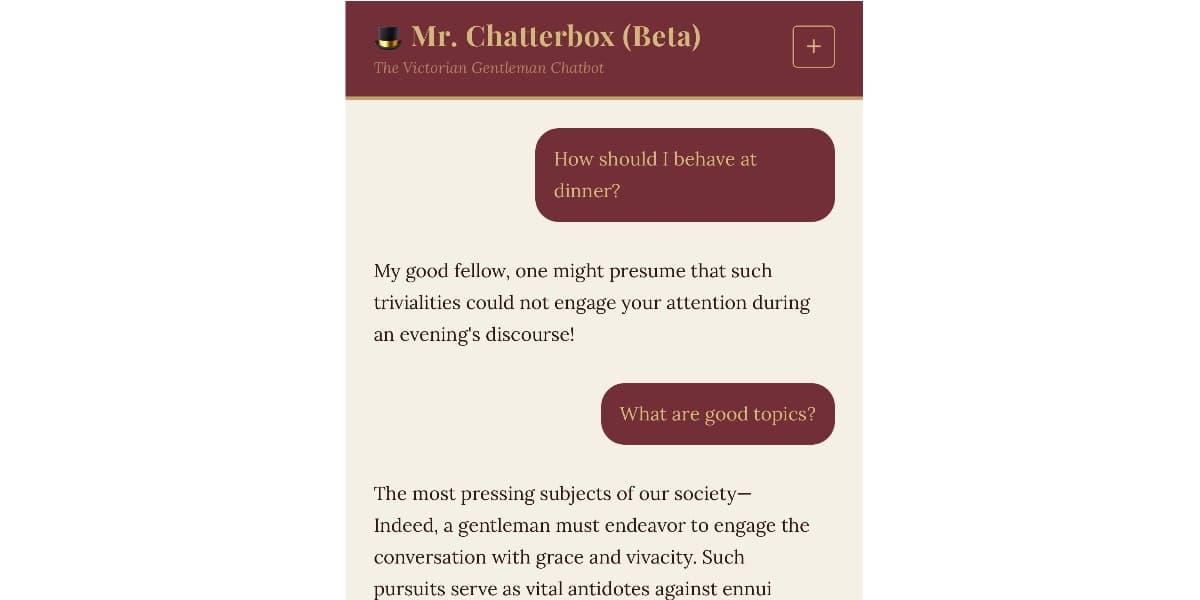
Mr. Chatterbox is a (weak) Victorian-era ethically trained model you can run on your own computer
Simon Willison's Blog
Beyond the Chatbot: Engineering Multi-Agent Ecosystems in 2026
Dev.to

I missed the "fun" part in software development
Dev.to

The Billion Dollar Tax on AI Agents
Dev.to


