
Gradient-Informed Training for Low-Resource Multilingual Speech Translation
arXiv cs.CL / 3/30/2026
💬 OpinionSignals & Early TrendsIdeas & Deep AnalysisModels & Research
Key Points
- The paper addresses low-resource multilingual speech-to-text translation by showing that uniform layer sharing across languages can create representation conflicts that slow or prevent convergence.
- It introduces a gradient-informed method that automatically selects layer-specific sharing patterns by extracting training gradient signals and using multiple analysis strategies.
- The approach includes (1) distance-based language clustering, (2) self/cross-task divergence metrics to allocate model capacity, and (3) joint factorization with canonical correlation analysis to align learned subspaces.
- Experiments on four language pairs using the SeamlessM4T-Medium architecture report consistent improvements in speech translation quality metrics.
Related Articles

Black Hat Asia
AI Business
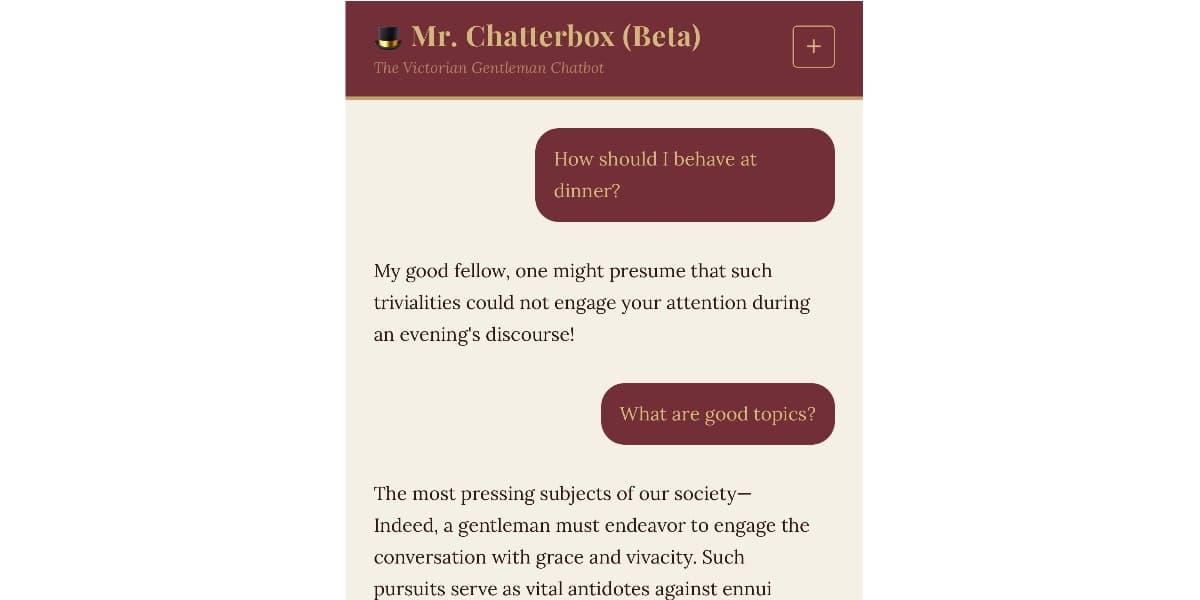
Mr. Chatterbox is a (weak) Victorian-era ethically trained model you can run on your own computer
Simon Willison's Blog
Beyond the Chatbot: Engineering Multi-Agent Ecosystems in 2026
Dev.to

I missed the "fun" part in software development
Dev.to

The Billion Dollar Tax on AI Agents
Dev.to


