
An Object Web Seminar: A Retrospective on a Technical Dialogue Still Reverbarating
arXiv cs.AI / 3/30/2026
💬 OpinionDeveloper Stack & InfrastructureSignals & Early TrendsIdeas & Deep Analysis
Key Points
- The paper uses a 1999 seminar to retrospectively analyze the peak convergence of “Object Technologies” and early Web adoption, focusing on how distributed architectures were changing and new Internet-accessible capabilities were emerging.
- It reviews how the “Object Web” was shaped by new development tools and architectural approaches that enabled application design and deployment in the early days of the World Wide Web.
- The work argues that the core design attributes of the Object Web have persisted despite the term falling out of use, drawing parallels to modern platforms and patterns such as Kubernetes and microservices.
- It also links the seminar’s discussion to early AI tools from that era and suggests that technology “popularity waves” can influence where today’s AI attention and offerings concentrate.
Related Articles

Black Hat Asia
AI Business
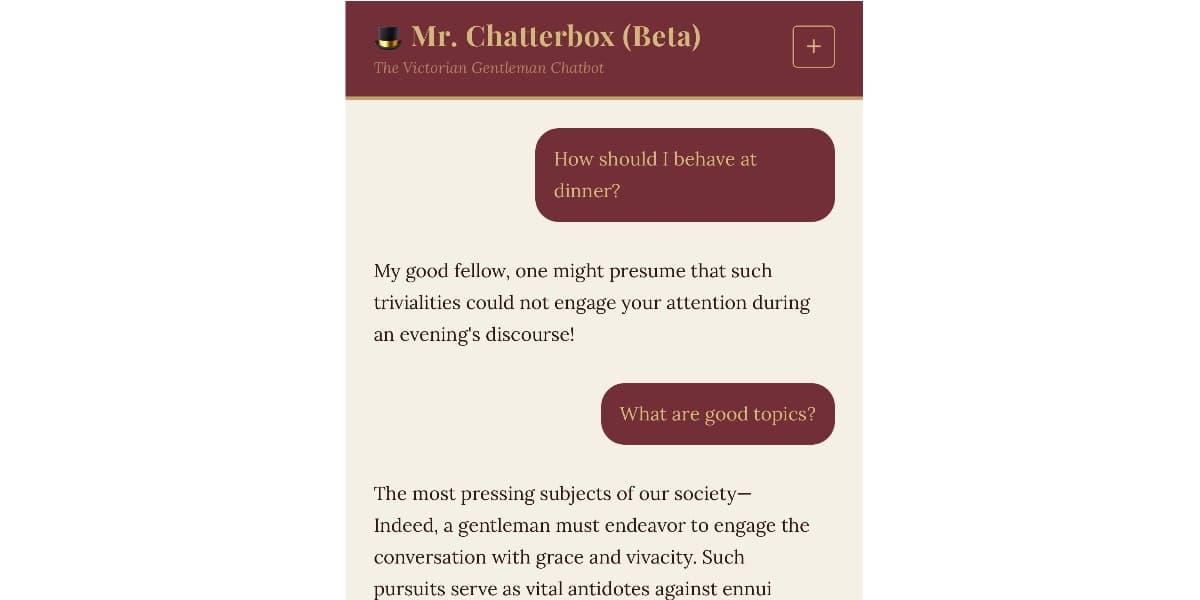
Mr. Chatterbox is a (weak) Victorian-era ethically trained model you can run on your own computer
Simon Willison's Blog
Beyond the Chatbot: Engineering Multi-Agent Ecosystems in 2026
Dev.to

I missed the "fun" part in software development
Dev.to

The Billion Dollar Tax on AI Agents
Dev.to


