
Belief Dynamics for Detecting Behavioral Shifts in Safe Collaborative Manipulation
arXiv cs.LG / 4/8/2026
💬 OpinionSignals & Early TrendsIdeas & Deep AnalysisModels & Research
Key Points
- The paper addresses how robots in shared workspaces can become unsafe when a collaborating agent switches behavioral strategy mid-episode and the robot continues under outdated assumptions.
- In ManiSkill shared-workspace manipulation tasks, across 10 regime-switch detection methods, enabling detection cuts post-switch collisions by 52%, but reliability varies widely depending on the allowed detection tolerance.
- Under a realistic tolerance of ±3 steps, detection performance ranges from 86% down to 30%, while with a looser ±5 tolerance all methods reach 100%, highlighting practical constraints for deployment.
- The authors propose UA-TOM, a lightweight belief-tracking module that augments frozen vision-language-action control backbones with selective state-space dynamics, causal attention, and prediction-error signals, improving detection rate (85.7% at ±3) and reducing close-range time (4.8 steps) while outperforming an Oracle in their metric.
- UA-TOM’s analysis shows regime switches cause a 17x increase in hidden-state update magnitude that decays over ~10 timesteps, with inference overhead of 7.4 ms (14.8% of a 50 ms control budget), and complementary behavior verified in a cross-domain Overcooked experiment.
Related Articles

Black Hat Asia
AI Business
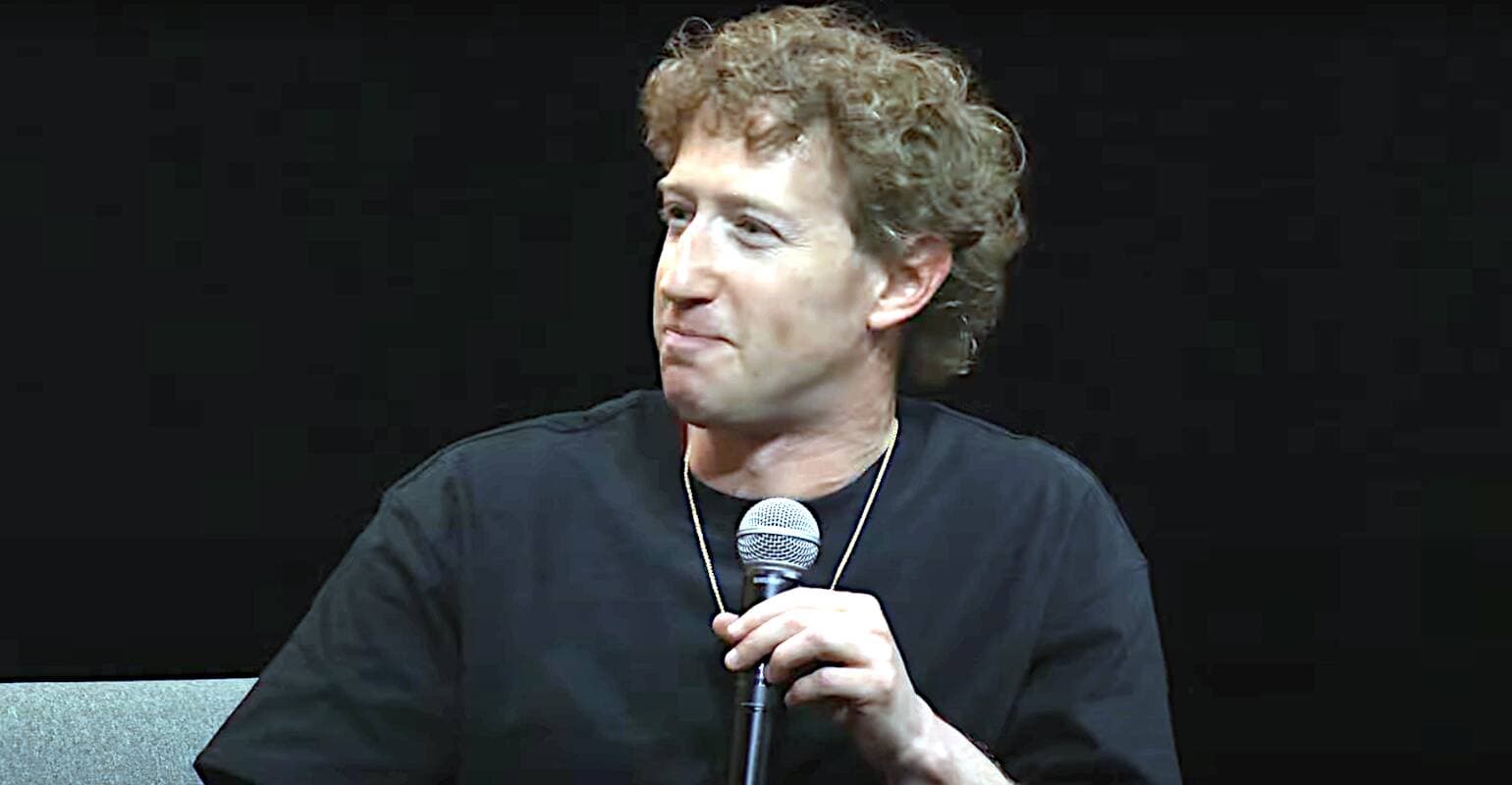
Meta's latest model is as open as Zuckerberg's private school
The Register

AI fuels global trade growth as China-US flows shift, McKinsey finds
SCMP Tech
Why multi-agent AI security is broken (and the identity patterns that actually work)
Dev.to
BANKING77-77: New best of 94.61% on the official test set (+0.13pp) over our previous tests 94.48%.
Reddit r/artificial


