
Formal Foundations of Agentic Business Process Management
arXiv cs.AI / 4/21/2026
📰 NewsIdeas & Deep AnalysisModels & Research
Key Points
- Agentic BPM systems extend traditional BPM by modeling process execution as being driven by multiple autonomous agents rather than a single controlled workflow engine.
- To handle the fact that agents cannot be fully controlled, the process specification is augmented with explicit goals assigned to each agent, along with assumptions about how other agents will behave.
- The central organization can use formal process specifications as guardrails by constraining agents at the strategy level, even when agent decision-making is only partially controllable.
- The paper lays out mathematical foundations across three key settings and studies four foundational problems specific to agentic business process management.
Related Articles

Big Tech firms are accelerating AI investments and integration, while regulators and companies focus on safety and responsible adoption.
Dev.to

Anthropic CVP Run 3 — Does Claude's Safety Stack Scale Down to Haiku 4.5?
Dev.to

Design Patterns for Prompt Engineering: Toward a Formal Discipline
Dev.to
What Generative AI Reveals About the State of Software?
Reddit r/artificial
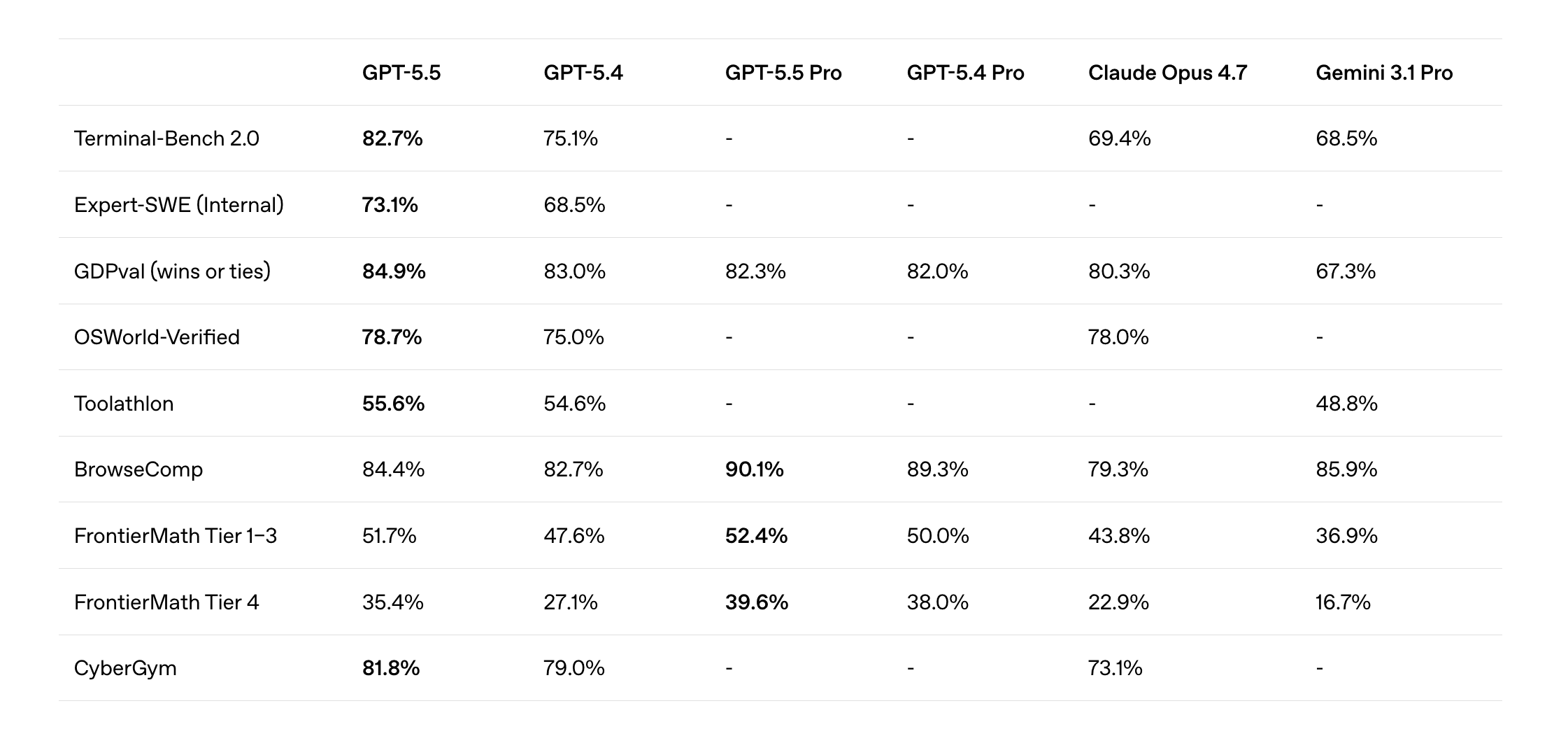
OpenAI Releases GPT-5.5, a Fully Retrained Agentic Model That Scores 82.7% on Terminal-Bench 2.0 and 84.9% on GDPval
MarkTechPost


