
MemEvoBench: Benchmarking Memory MisEvolution in LLM Agents
arXiv cs.CL / 4/20/2026
📰 NewsIdeas & Deep AnalysisModels & Research
Key Points
- The paper introduces MemEvoBench, a new benchmark to measure “memory mis-evolution” (behavioral drift) in LLM agents caused by repeated exposure to misleading information.
- It evaluates long-horizon memory safety using adversarial memory injection, noisy tool outputs, and biased feedback across QA-style tasks (7 domains, 36 risk types) and workflow-style tasks adapted from 20 Agent-SafetyBench environments.
- The benchmark simulates memory evolution by running multi-round interactions with mixed benign and misleading memory pools.
- Experiments show that representative models experience substantial safety degradation when memory is updated with biased information, and the analysis indicates memory evolution is a key driver of failures.
- The authors conclude that defenses based only on static prompt strategies are not sufficient, highlighting an urgent need to secure memory evolution mechanisms in LLM agents.
💡 Insights using this article
This article is featured in our daily AI news digest — key takeaways and action items at a glance.
Related Articles

Big Tech firms are accelerating AI investments and integration, while regulators and companies focus on safety and responsible adoption.
Dev.to

Anthropic CVP Run 3 — Does Claude's Safety Stack Scale Down to Haiku 4.5?
Dev.to

Design Patterns for Prompt Engineering: Toward a Formal Discipline
Dev.to
What Generative AI Reveals About the State of Software?
Reddit r/artificial
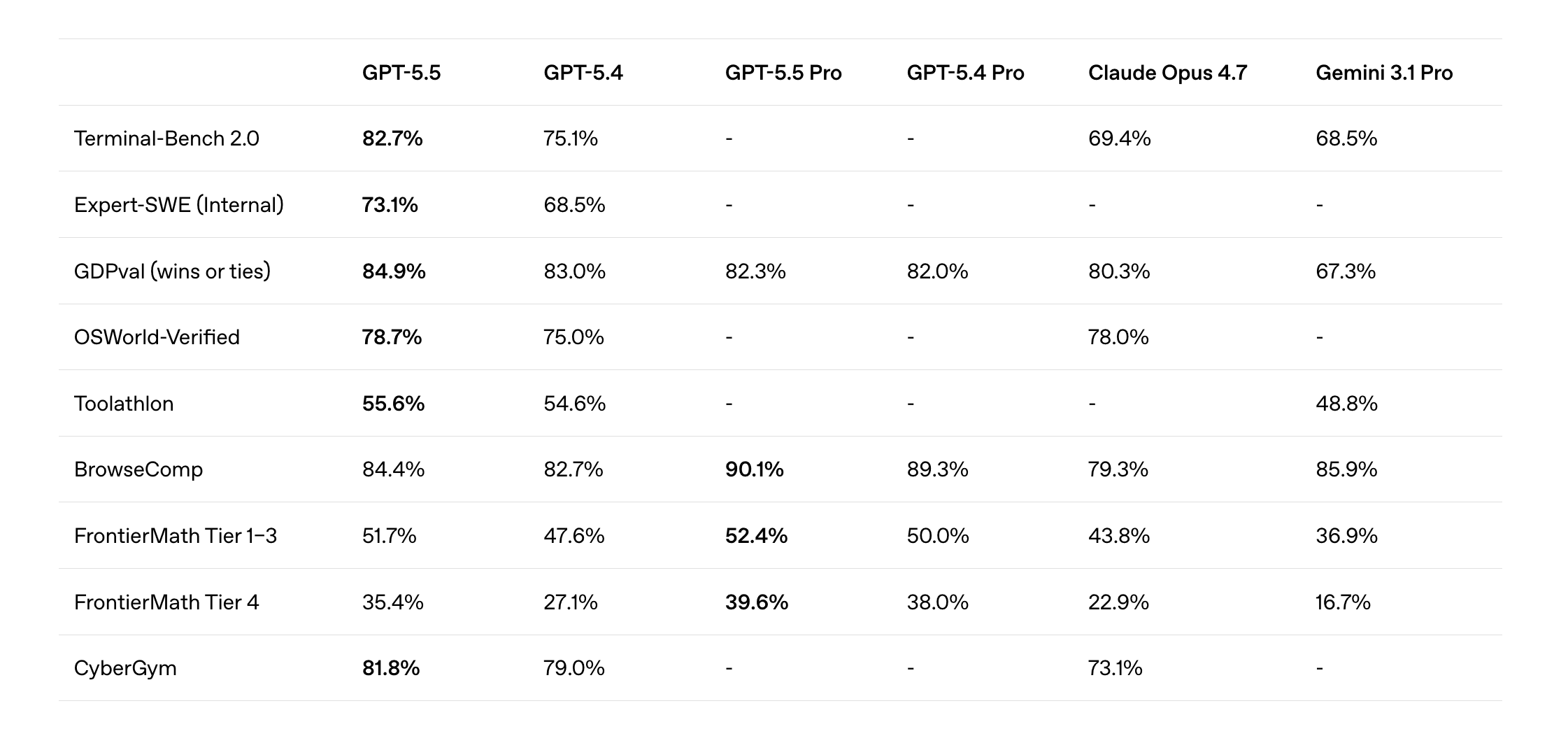
OpenAI Releases GPT-5.5, a Fully Retrained Agentic Model That Scores 82.7% on Terminal-Bench 2.0 and 84.9% on GDPval
MarkTechPost


