
Restore, Assess, Repeat: A Unified Framework for Iterative Image Restoration
arXiv cs.CV / 3/30/2026
💬 OpinionSignals & Early TrendsIdeas & Deep AnalysisModels & Research
Key Points
- The paper introduces RAR (Restore, Assess, and Repeat), a unified iterative framework that combines Image Quality Assessment (IQA) with Image Restoration (IR) to improve generalization across unknown and composite degradations.
- RAR performs restoration entirely in the latent domain, jointly handling degradation identification, restoration, and quality verification within an end-to-end trainable model.
- By tightly integrating IQA and IR, the approach reduces latency and information loss that can occur when IQA and restoration are kept as separate modules, especially during decoding steps.
- Experiments report consistent improvements over prior methods for single, unknown, and composite degradation scenarios, claiming new state-of-the-art performance.
💡 Insights using this article
This article is featured in our daily AI news digest — key takeaways and action items at a glance.
Related Articles

Black Hat Asia
AI Business
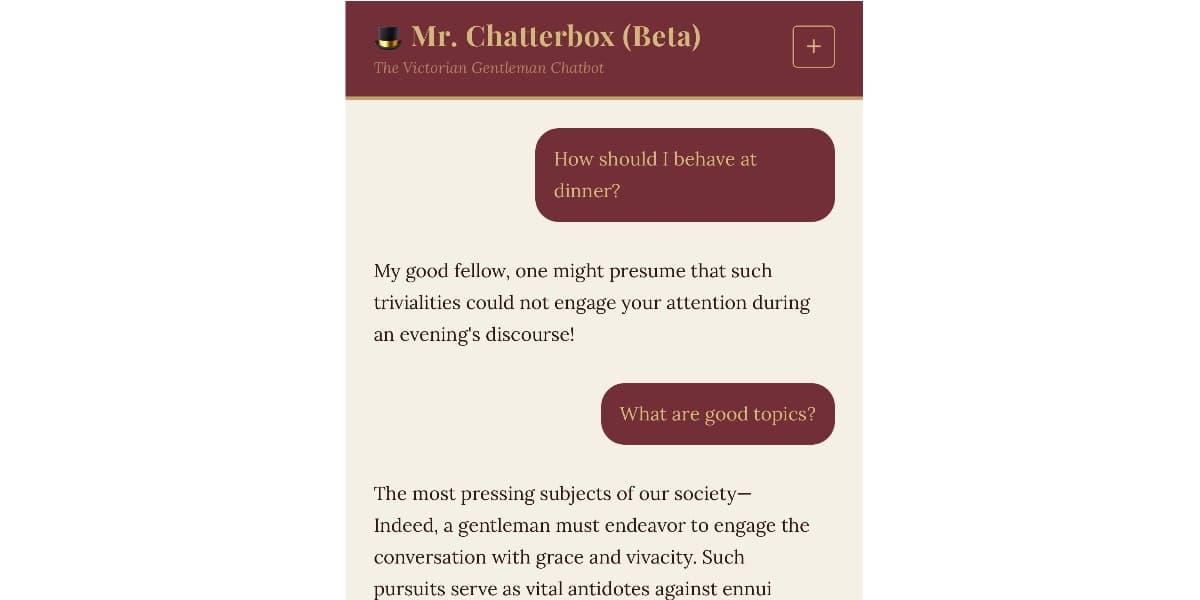
Mr. Chatterbox is a (weak) Victorian-era ethically trained model you can run on your own computer
Simon Willison's Blog
Beyond the Chatbot: Engineering Multi-Agent Ecosystems in 2026
Dev.to

I missed the "fun" part in software development
Dev.to

The Billion Dollar Tax on AI Agents
Dev.to


