
TaxaAdapter: Vision Taxonomy Models are Key to Fine-grained Image Generation over the Tree of Life
arXiv cs.CV / 3/30/2026
💬 OpinionSignals & Early TrendsIdeas & Deep AnalysisModels & Research
Key Points
- The paper introduces TaxaAdapter, a lightweight method for fine-grained text-to-image generation across biological “Tree of Life” species by injecting Vision Taxonomy Model (VTM) embeddings (e.g., BioCLIP) into a frozen diffusion text-to-image model.
- TaxaAdapter is reported to improve species-level morphology fidelity and species-identity accuracy versus strong baselines while maintaining flexible text control over attributes like pose, style, and background.
- The authors propose a multimodal LLM-based evaluation metric that converts trait-level descriptions from generated and real images into a more interpretable measure of morphological consistency.
- Experiments claim strong generalization, including few-shot species synthesis with limited training images and generating species not seen during training.
- Overall, the work argues that VTMs are an essential component for scalable, fine-grained species generation at large biodiversity scale (10M+ species).
💡 Insights using this article
This article is featured in our daily AI news digest — key takeaways and action items at a glance.
Related Articles

Black Hat Asia
AI Business
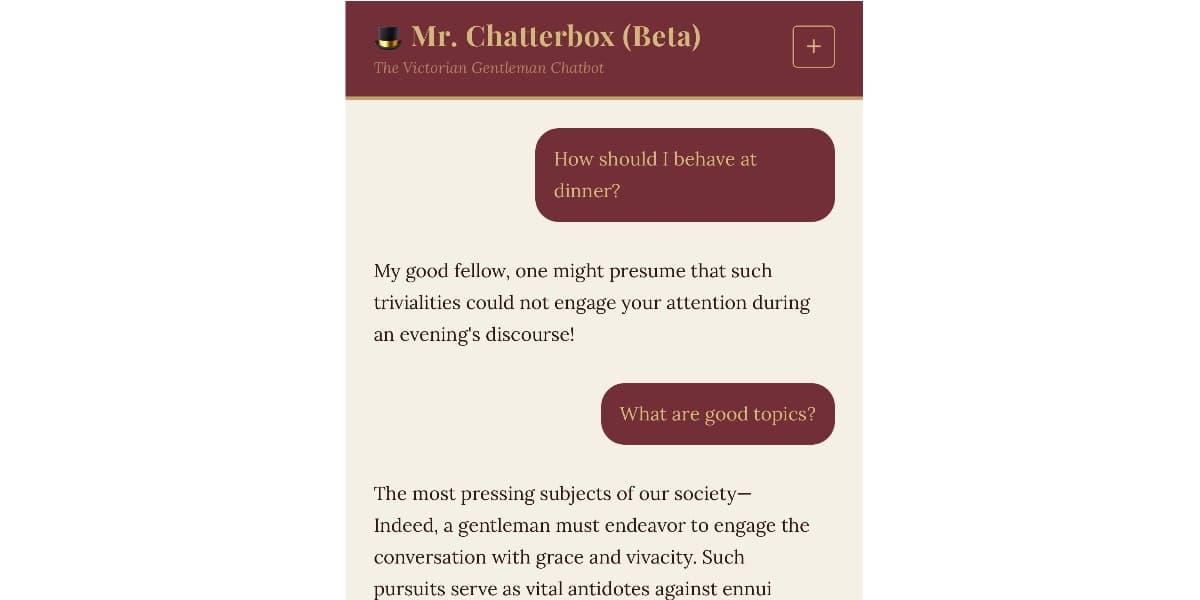
Mr. Chatterbox is a (weak) Victorian-era ethically trained model you can run on your own computer
Simon Willison's Blog
Beyond the Chatbot: Engineering Multi-Agent Ecosystems in 2026
Dev.to

I missed the "fun" part in software development
Dev.to

The Billion Dollar Tax on AI Agents
Dev.to


