
Vision Transformers and Graph Neural Networks for Charged Particle Tracking in the ATLAS Muon Spectrometer
arXiv cs.LG / 3/30/2026
💬 OpinionSignals & Early TrendsIdeas & Deep AnalysisModels & Research
Key Points
- The paper addresses the growing challenge of identifying and reconstructing muons in the ATLAS Muon Spectrometer as High-Luminosity LHC conditions increase collision rates and detector occupancy after 2030.
- It proposes a Graph Neural Network approach for background-hit rejection integrated into ATLAS’s non-ML reconstruction pipeline, reporting a 15% speedup (255 ms to 217 ms).
- It also presents a proof-of-concept end-to-end muon tracking method using Vision Transformers, delivering approximate reconstruction in 2.3 ms on consumer-grade GPUs with 98% tracking efficiency.
- The work focuses on enabling more efficient and robust real-time processing within ATLAS trigger systems, particularly the Event Filter, under high interaction density.
Related Articles

Black Hat Asia
AI Business
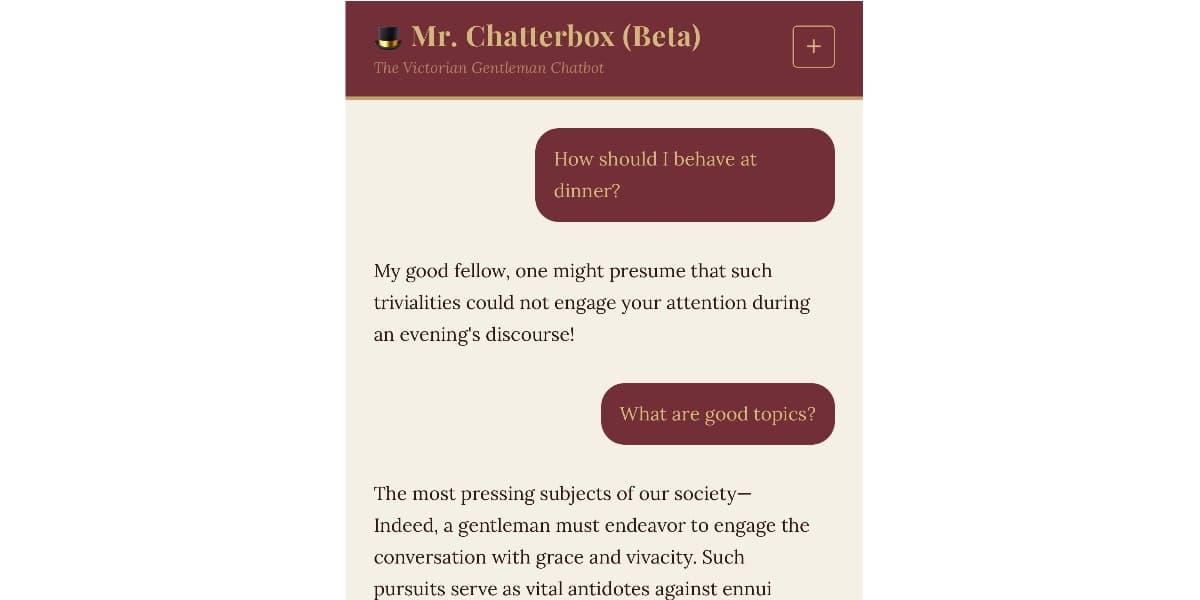
Mr. Chatterbox is a (weak) Victorian-era ethically trained model you can run on your own computer
Simon Willison's Blog
Beyond the Chatbot: Engineering Multi-Agent Ecosystems in 2026
Dev.to

I missed the "fun" part in software development
Dev.to

The Billion Dollar Tax on AI Agents
Dev.to


