
I Want to Believe (but the Vocabulary Changed): Measuring the Semantic Structure and Evolution of Conspiracy Theories
arXiv cs.CL / 3/30/2026
💬 OpinionIdeas & Deep AnalysisModels & Research
Key Points
- The paper argues that prior conspiracy-theory research has underemphasized semantic meaning change over time because conspiracy terms are often assumed to be stable lexical markers.
- Using 169.9M Reddit comments from r/politics (2012–2022), it shows that conspiracy-related language forms coherent, semantically separable regions in embedding-based language space.
- It treats conspiracy theories as semantic objects and tracks their evolution across years by comparing aligned word-embedding “semantic neighborhoods” over time.
- The findings indicate conspiracy theories do not evolve uniformly, instead showing cycles of semantic stability, expansion, contraction, and replacement that keyword methods fail to capture.
Related Articles
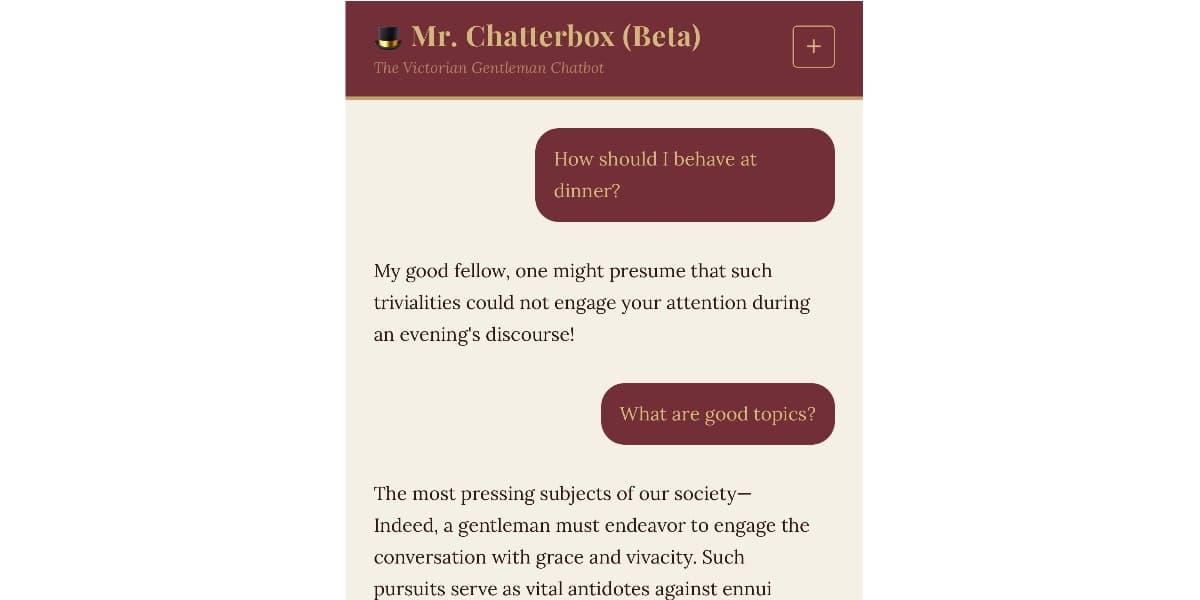
Mr. Chatterbox is a (weak) Victorian-era ethically trained model you can run on your own computer
Simon Willison's Blog
Beyond the Chatbot: Engineering Multi-Agent Ecosystems in 2026
Dev.to

I missed the "fun" part in software development
Dev.to
The Billion Dollar Tax on AI Agents
Dev.to

Hermes Agent: A Self-Improving AI Agent That Runs Anywhere
Dev.to


