
Practical Agent Architecture: State, Failure Recovery, and the Hidden Variables of Reliable LLM Systems
Dev.to / 6/12/2026
💬 OpinionDeveloper Stack & InfrastructureIdeas & Deep AnalysisModels & Research
Key Points
- The article argues that every LLM “agent” is essentially a formula defined by a set of conditions (delta) that the system prompt and surrounding configuration cover only partially.
- It introduces “delta” as the hidden collection of variables—prompts, patterns, embeddings, vectors, tool schemas, thinking modes, and repository-style definitions like skills.md—that together determine real-world behavior.
- The author emphasizes that reliable autonomy is not just about having an LLM, but about engineering three properties: dynamic growth, direction, and a decision pattern for choosing next actions.
- It frames robustness as managing gaps between what prompts anticipate and the full range of conditions an autonomous agent must handle, especially around API failures and state management (including failure recovery).
- By treating the LLM’s prompt as a word chain shaped by attention and upstream tooling, the article connects low-level model mechanics to higher-level program-like behavior and reliability engineering.
Continue reading this article on the original site.
Read original →Related Articles
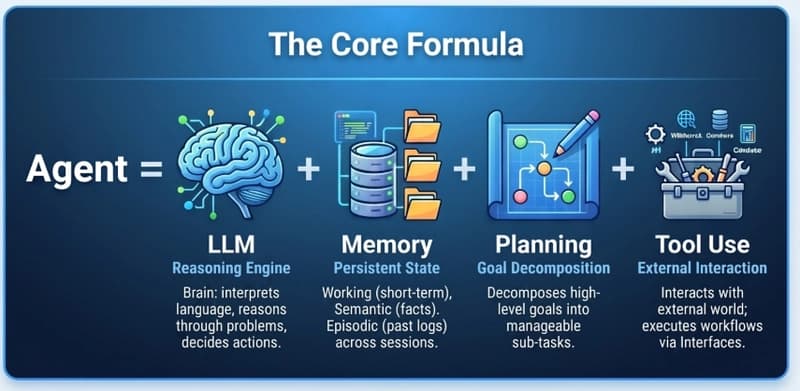
Building AI Agents from Scratch (Part 1): Core Architecture and Underlying Principles Explained
Dev.to

From AI to Zero Trust: Inside Indian Retail’s 2026 Tech Priorities –
Dev.to

I Started Reselling AI Access Last Year — Here's the Side Hustle Nobody's Talking About
Dev.to
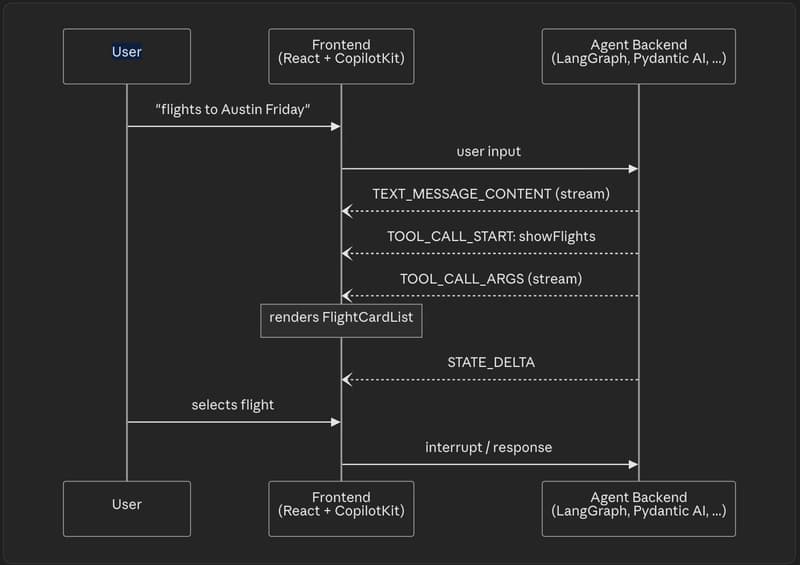
Day 2: Generative UI Gen 1 — Static Components with AG-UI
Dev.to
What if we succeed in creating ASI, but it does absolutely nothing with us
Reddit r/artificial


